
Medigap Supplemental Insurance: Pros, Cons, and Who It Tends to Help Most

Photo credit: Savy Bargains
In this article
A balanced look at what Medigap policies cover, what they cost, and the circumstances under which they tend to provide the most financial protection.
Key Takeaways
- Medigap policies cover costs that original Medicare leaves unpaid, such as copayments, coinsurance, and deductibles.
- Premiums vary by plan type, insurer, age, and location, so costs differ significantly from person to person.
- The best time to enroll is during the six-month Medigap Open Enrollment Period that starts when you turn 65.
- Medigap does not cover prescription drugs, dental, vision, or hearing, so separate plans are usually needed.
- People with frequent medical needs or chronic conditions tend to benefit most from Medigap coverage.
Covers most Medicare cost-sharing gaps
Medigap plans can pay some or all of Medicare Part A and Part B cost-sharing, including hospital coinsurance and, depending on the plan, the Part A deductible. This limits the amount you owe after Medicare pays its share.
Predictable monthly costs
Because the plan absorbs many out-of-pocket charges, your healthcare spending becomes easier to budget. A fixed premium replaces the variable bills that can accompany hospitalizations or extended treatment.
Freedom to see any Medicare-accepting provider
Medigap works with original Medicare, so you can visit any doctor or specialist who accepts Medicare patients nationwide, without referrals or network restrictions.
Coverage applies in all 50 states
Because Medigap follows Medicare rather than a regional network, coverage is portable across state lines. This matters for people who travel regularly or split time between two states.
Renewable regardless of health changes
As long as you pay your premium, an insurer cannot cancel your Medigap policy because your health declines. This guaranteed renewability protects people who develop serious conditions over time.
Monthly premiums add to overall costs
Medigap premiums can range from under $100 to several hundred dollars per month, depending on the plan, your age, and where you live. For healthier individuals who rarely use services, premium payments may exceed what they would have paid out of pocket.
Does not include prescription drug coverage
Medigap policies sold since 2006 do not cover prescription drugs. Enrollees who need drug coverage must also purchase a separate Medicare Part D plan, which adds another premium to the household budget.
No coverage for dental, vision, or hearing
Original Medicare generally excludes routine dental, vision, and hearing care, and Medigap does not change that. Seniors who need these services must seek separate standalone plans or pay out of pocket.
Medical underwriting outside open enrollment
If you apply for Medigap outside your guaranteed issue window, insurers in most states can review your health history and charge higher premiums or deny coverage based on pre-existing conditions.
Cannot be combined with Medicare Advantage
Medigap is designed to work with original Medicare only. If you are enrolled in a Medicare Advantage plan, you cannot use a Medigap policy to cover that plan's cost-sharing, which limits your options if you want to switch.
What Medigap supplemental insurance actually does
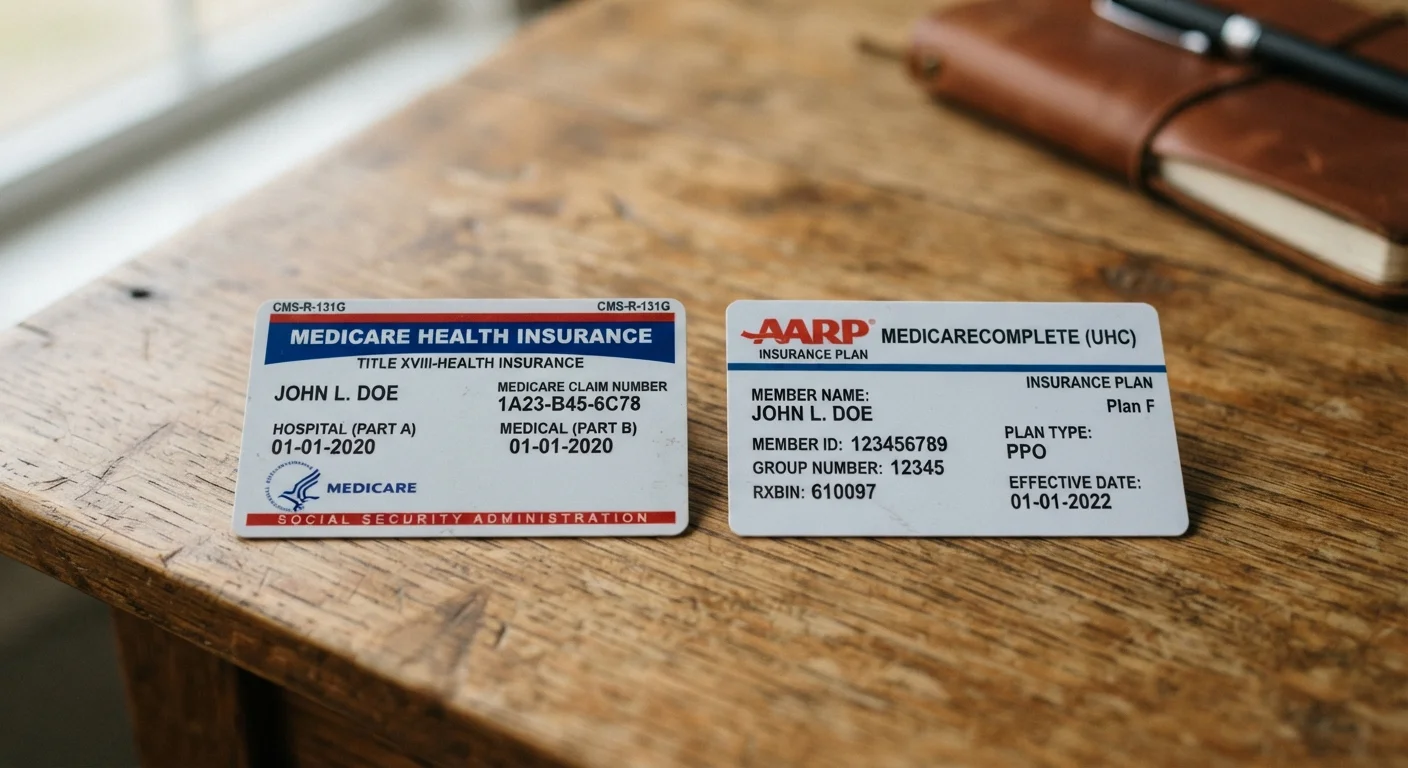
Original Medicare (Parts A and B) covers a wide range of hospital and medical services, but it does not pay 100% of most costs. Beneficiaries are generally responsible for deductibles, coinsurance, and copayments, which can add up quickly during a hospitalization or extended illness. Medigap, also called Medicare Supplement Insurance, is a type of private health insurance designed to cover some or all of those remaining charges.
Each Medigap policy works alongside original Medicare, not as a replacement. Medicare pays its share first, and then the Medigap policy covers whatever costs fall within that plan's defined benefits. To understand how Medigap fits into the broader Medicare picture, see our introduction to Medicare Parts A, B, C, and D.
Medigap does not replace Medicare Advantage (Part C). If you are enrolled in Medicare Advantage, a Medigap policy cannot be applied to that plan's cost-sharing. For a fuller view of how different coverage types interact, our guide on coverage options beyond basic Medicare covers those distinctions.
The advantages of carrying Medigap coverage
The most direct benefit is financial predictability. With original Medicare alone, a single hospital stay can trigger a Part A deductible plus daily coinsurance charges after a certain number of days. Medigap plans cover portions of those charges, often eliminating or sharply reducing the bill that reaches you.
Covers most Medicare cost-sharing gaps
Medigap plans can pay some or all of Medicare Part A and Part B cost-sharing, including hospital coinsurance and, depending on the plan, the Part A deductible. This limits the amount you owe after Medicare pays its share.
Predictable monthly costs
Because the plan absorbs many out-of-pocket charges, your healthcare spending becomes easier to budget. A fixed premium replaces the variable bills that can accompany hospitalizations or extended treatment.
Freedom to see any Medicare-accepting provider
Medigap works with original Medicare, so you can visit any doctor or specialist who accepts Medicare patients nationwide, without referrals or network restrictions.
Coverage applies in all 50 states
Because Medigap follows Medicare rather than a regional network, coverage is portable across state lines. This matters for people who travel regularly or split time between two states.
Renewable regardless of health changes
As long as you pay your premium, an insurer cannot cancel your Medigap policy because your health declines. This guaranteed renewability protects people who develop serious conditions over time.
Provider access is another factor worth considering. Because Medigap attaches to original Medicare rather than a private network, enrollees can visit any physician or hospital in the country that accepts Medicare, without needing a referral. That flexibility is especially useful for people who see multiple specialists or who spend time in more than one state. If you also have employer or union coverage alongside Medicare, the coordination rules explained in our article on how Medicare coordinates with employer or union coverage may affect what you actually need from a Medigap policy.
The disadvantages worth weighing carefully
Premiums are the most common reason people hesitate. Paying a fixed monthly amount regardless of whether you use medical services is a real cost, and for people in good health who visit the doctor infrequently, total annual premiums may exceed what they would have spent out of pocket under original Medicare alone.
Monthly premiums add to overall costs
Medigap premiums can range from under $100 to several hundred dollars per month, depending on the plan, your age, and where you live. For healthier individuals who rarely use services, premium payments may exceed what they would have paid out of pocket.
Does not include prescription drug coverage
Medigap policies sold since 2006 do not cover prescription drugs. Enrollees who need drug coverage must also purchase a separate Medicare Part D plan, which adds another premium to the household budget.
No coverage for dental, vision, or hearing
Original Medicare generally excludes routine dental, vision, and hearing care, and Medigap does not change that. Seniors who need these services must seek separate standalone plans or pay out of pocket.
Medical underwriting outside open enrollment
If you apply for Medigap outside your guaranteed issue window, insurers in most states can review your health history and charge higher premiums or deny coverage based on pre-existing conditions.
Cannot be combined with Medicare Advantage
Medigap is designed to work with original Medicare only. If you are enrolled in a Medicare Advantage plan, you cannot use a Medigap policy to cover that plan's cost-sharing, which limits your options if you want to switch.
Standardized plans vary by state
Massachusetts, Minnesota, and Wisconsin each use their own Medigap standardization rules rather than the federal lettered plan system. If you live in one of these states, the plan options and naming conventions will differ from what federal guidelines describe. Always confirm available plan types with your State Health Insurance Assistance Program (SHIP) counselor before enrolling.
The gaps Medigap does not fill also matter. Prescription drugs require a separate Part D plan. Routine dental, vision, and hearing care fall outside both Medicare and Medigap. Enrollees who need those services face additional premiums or out-of-pocket costs on top of their Medigap payment.
Timing is critical. The six-month Medigap Open Enrollment Period, which starts the month you are both 65 and enrolled in Part B, is the only window in most states when insurers must accept your application regardless of health history. Applying later typically subjects you to medical underwriting, which can result in higher premiums or a denial.
Who tends to benefit most from Medigap
People with chronic health conditions, those who anticipate surgery or ongoing specialist care, and anyone who wants to avoid large, unpredictable medical bills are the most common candidates for Medigap. The math usually favors coverage when annual out-of-pocket costs under original Medicare would regularly exceed the total premiums paid.
14 million+
Americans enrolled in Medigap policies
According to the Kaiser Family Foundation, roughly 14 million Medicare beneficiaries held Medigap coverage as of recent years.
6 months
Length of the Medigap open enrollment window
Federal rules give you a six-month period starting the month you are both 65 and enrolled in Medicare Part B during which insurers cannot deny or surcharge your application.
10
Standardized Medigap plan types available
In most states, Medigap is sold as one of 10 standardized plan letters (A through N), each offering a defined set of benefits regardless of which insurer sells it.
People who travel frequently or live part of the year in a different state also tend to value Medigap's nationwide provider access over Medicare Advantage plans that tie coverage to a local network.
Conversely, someone who is generally healthy, has limited income, and would qualify for a Medicare Savings Program or Medicaid may find that those programs already cover significant cost-sharing. In that situation, adding a Medigap premium could be unnecessary. This is general information and not personalized financial or insurance advice; a licensed insurance counselor or SHIP advisor can help you evaluate your specific circumstances.
This article is for informational purposes only and does not constitute personalized insurance, financial, or medical advice. Coverage terms, eligibility, and premiums vary by insurer, plan type, and state. Consult a licensed insurance professional or your State Health Insurance Assistance Program (SHIP) for guidance specific to your situation.

Author
Senior Editorial Team
Senior Editorial Team is the collective byline for our editorial team and contributor network. Articles published under this byline or an editorial pen name are researched, written, and reviewed according to our editorial standards for clarity, consistency, and independence before publication.
View all articles →