
Fixed-Rate vs. Variable-Rate Energy Plans: What the Difference Means for Your Bill

Photo credit: Savy Bargains
In this article
Energy suppliers often offer both plan types, but they behave very differently. Understand how each works before you choose or switch.
Key Takeaways
- A fixed-rate plan sets your energy supply rate for a defined contract period, typically 6 to 24 months.
- A variable-rate plan adjusts monthly based on market or utility pricing, with no rate guarantee.
- Fixed rates protect against price increases but may cost more if market rates fall.
- Variable rates can drop below fixed rates, but they can also rise significantly, especially in winter.
- Early termination fees often apply to fixed-rate contracts, so read the terms before signing.
- Your choice affects only the supply rate, not delivery or distribution charges on your bill.
How each plan type sets your rate
In deregulated energy markets, where consumers can choose their electricity or gas supplier, two pricing structures are common: fixed-rate and variable-rate plans. The difference between them comes down to one thing: whether your supply rate is locked or free to move.
With a fixed-rate plan, the supplier sets a rate per kilowatt-hour (or per therm for gas) at the start of your contract. That rate stays the same for the entire contract length, regardless of what happens in the broader energy market. Your bill can still change month to month because usage changes, but the price per unit does not.
With a variable-rate plan, the supplier adjusts your rate periodically, often monthly, based on wholesale market prices or a formula tied to utility index rates. When market prices fall, your rate may fall with them. When they rise, your rate rises too.
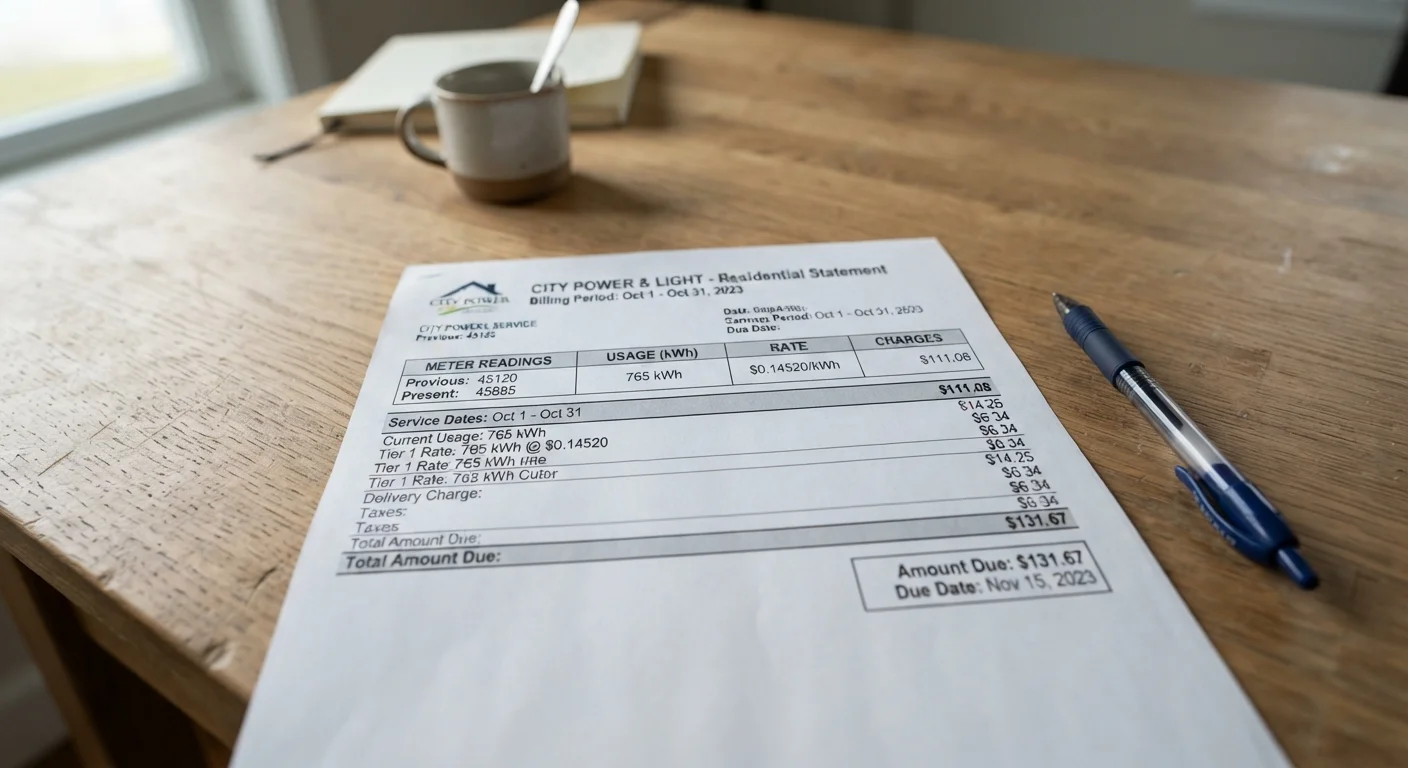
For a broader look at how charges appear on your monthly statement, see the plain-language guide to utility billing.
What affects variable rates
Variable rates respond to factors outside any single supplier's control. Wholesale electricity prices shift with fuel costs, regional grid demand, weather events, and seasonal consumption patterns. Natural gas rates follow similar forces, with cold winters often driving significant short-term price increases.
This means a variable rate that looks low in the fall can climb sharply in January. Some suppliers cap how much a variable rate can rise in a single billing period, but not all contracts include this protection. Reading the rate terms before enrolling matters here.
Deregulated markets only
Fixed and variable supplier plans are only available in states and areas where energy markets are deregulated. In fully regulated areas, the local utility sets rates and residential customers have no supplier choice. Check whether your state participates in retail energy choice before comparing plans.
Contract terms and exit costs
Fixed-rate plans almost always come with a contract term. Breaking that contract early typically triggers an early termination fee, which can range from a flat amount to a per-month charge for the remaining term. Before signing, confirm the fee structure and what qualifies as an early exit (such as moving outside the service area).
Variable-rate plans generally have no long-term commitment. Customers can usually switch suppliers or return to the default utility rate with little or no notice. This flexibility comes at the cost of rate certainty.
The tradeoff between predictability and flexibility appears in other financial decisions too. The guide to fixed vs. variable expenses covers how both types behave in a household budget.
A direct comparison
The table below outlines how the two plan types differ across the factors most relevant to a household decision.
| Criterion | Fixed-rate plan | Variable-rate plan |
|---|---|---|
| Price per unit | Locked for contract term | Changes monthly with market |
| Bill predictability | High, usage aside | Low to moderate |
| Contract length | Typically 6 to 24 months | Month-to-month |
| Early exit cost | Usually yes, read contract | Typically none |
| Protection from price spikes | Yes, rate is set | No |
| Benefit if market prices fall | No, rate stays fixed | Yes, rate may drop |
What your plan does not control
Whether you choose a fixed or variable supply rate, a portion of your energy bill falls outside your plan's pricing. Delivery charges, distribution fees, and any taxes or regulatory charges come from your local utility and appear on your bill regardless of which supplier you use. These charges are set by the utility and are not negotiable through plan selection.
This distinction matters when comparing plans. Two suppliers may quote very different supply rates, but if delivery charges are identical (because they come from the same utility), the supply rate comparison reflects the full difference in what you can actually control.

Author
Home & Lifestyle Editorial Team
Home & Lifestyle Editorial Team is the collective byline for our editorial team and contributor network. Articles published under this byline or an editorial pen name are researched, written, and reviewed according to our editorial standards for clarity, consistency, and independence before publication.
View all articles →