
Before You Switch Auto Insurance Policies: A Practical Checklist
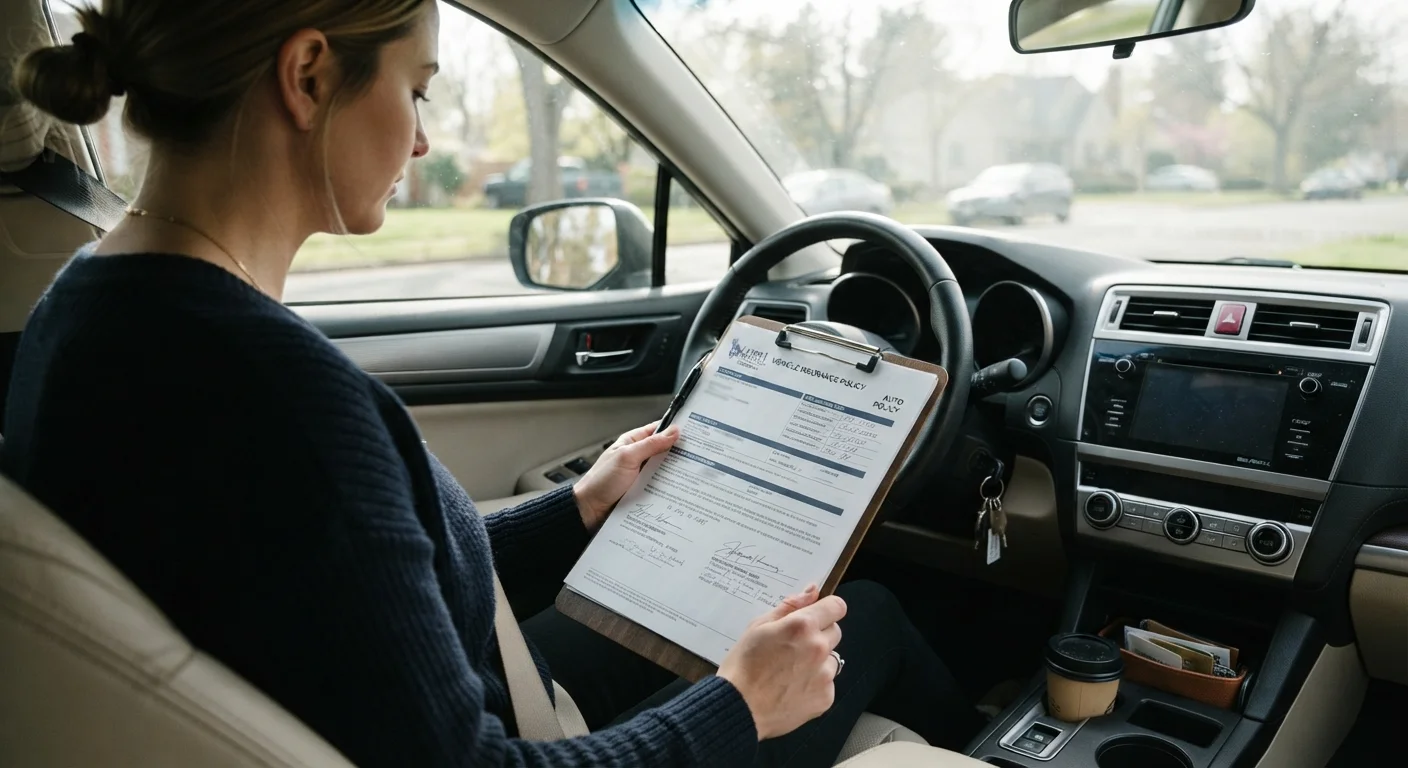
Photo credit: Savy Bargains
In this article
Switching policies mid-term or at renewal takes more than finding a lower quote. Use this checklist to avoid lapses and unexpected gaps.
Key Takeaways
- A coverage lapse, even one day long, can raise your future premiums and expose you to financial liability.
- Your new policy start date must overlap with or exactly match your old policy's cancellation date.
- Switching mid-term may trigger a short-rate cancellation penalty on your existing policy.
- Comparing quotes alone is not enough; coverage limits and deductibles must match for a fair comparison.
- Notify your lender or leasing company before switching if your vehicle is financed or leased.
Why switching requires more than a new quote
Finding a lower premium is a reasonable goal, but the switch itself introduces risks that a price comparison alone won't reveal. A single missed step can create a coverage lapse, violate a lender requirement, or leave you underinsured on day one of the new policy. This checklist walks through every stage of a policy switch so you can move forward with a clear picture of what you're getting and what you're giving up.
For a broader look at what standard policies often leave out, see coverage gaps that leave drivers financially exposed.
Before you request quotes
Comparing new policies
Before the switch date
Canceling the old policy
After the switch
Tools and documents you will need
Before working through the checklist, gather the following. Having everything in one place cuts down on back-and-forth and reduces the chance of errors when you apply for a new policy.
Current declarations page
Lists your existing coverage types, limits, deductibles, and premium so you can make accurate comparisons.
Vehicle registration
Provides the VIN, vehicle year, make, and model needed to complete a new insurance application accurately.
Driver's license
Required for new insurer applications and used to verify your driving record.
Lender or leasing company contact information
Needed to notify your lender of the policy change and provide the correct lienholder name and address for the new policy.
State department of insurance website
Lets you verify that a prospective insurer is licensed in your state before you buy.
Current insurer's cancellation policy
Tells you whether a short-rate penalty applies and how to submit a cancellation request.
Payment method for new policy
Required to pay the first premium and activate coverage before canceling the old policy.
Understanding the risks of switching
A lapse in coverage, no matter how brief, can have consequences that outlast the switch itself. Some states treat even a one-day gap as a lapse that insurers are allowed to factor into your rate at renewal. If your car is financed or leased, your lender or leasing company almost certainly requires continuous coverage, and a gap may give them grounds to purchase force-placed insurance on your behalf at a much higher cost to you.
Switching mid-term also means canceling a policy before it expires. Many insurers use a short-rate calculation for mid-term cancellations, which means the refund on any prepaid premium is slightly less than a prorated amount. Check your current policy's cancellation terms before you assume you will receive a full prorated refund.
To understand what a lapse can cost you over time, read about coverage lapse causes and consequences before you cancel anything.
Do not cancel before the new policy is active
Canceling your current policy before the new one has been confirmed as active, with a paid premium and a written effective date, creates a coverage gap. Even a one-day gap can count as a lapse in many states and may affect your rates for years. Always secure written confirmation from the new insurer before submitting a cancellation request to the old one.
Making an accurate apples-to-apples comparison
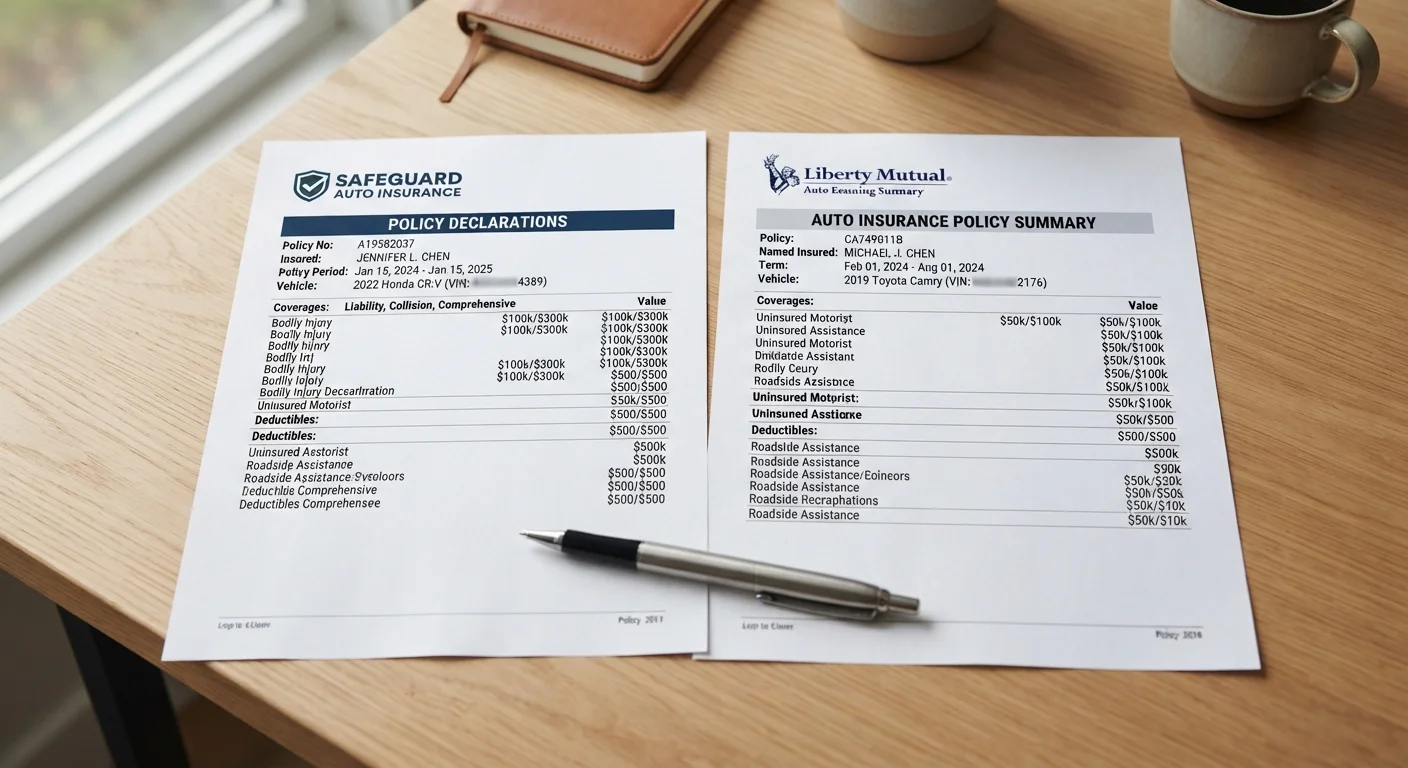
Premium quotes are only meaningful when the underlying coverage matches. If your current policy carries $100,000 per-person bodily injury liability and the new quote is built around $50,000, the lower price reflects less protection, not a better deal. Pull your current declarations page, which is the summary page at the front of your policy, and use it as your baseline when requesting new quotes.
Check that each quote reflects the same deductible amounts for comprehensive and collision coverage, the same liability limits, and any add-ons you currently carry such as roadside assistance or rental reimbursement. If you have a gap-prone coverage area, confirm explicitly whether the new policy addresses it. This kind of line-by-line review takes more time than a quick quote comparison but gives you an accurate picture of what you are actually trading.

Author
Auto Editorial Team
Auto Editorial Team is the collective byline for our editorial team and contributor network. Articles published under this byline or an editorial pen name are researched, written, and reviewed according to our editorial standards for clarity, consistency, and independence before publication.
View all articles →