
Lapse in Auto Insurance Coverage: Causes, Consequences, and How to Recover
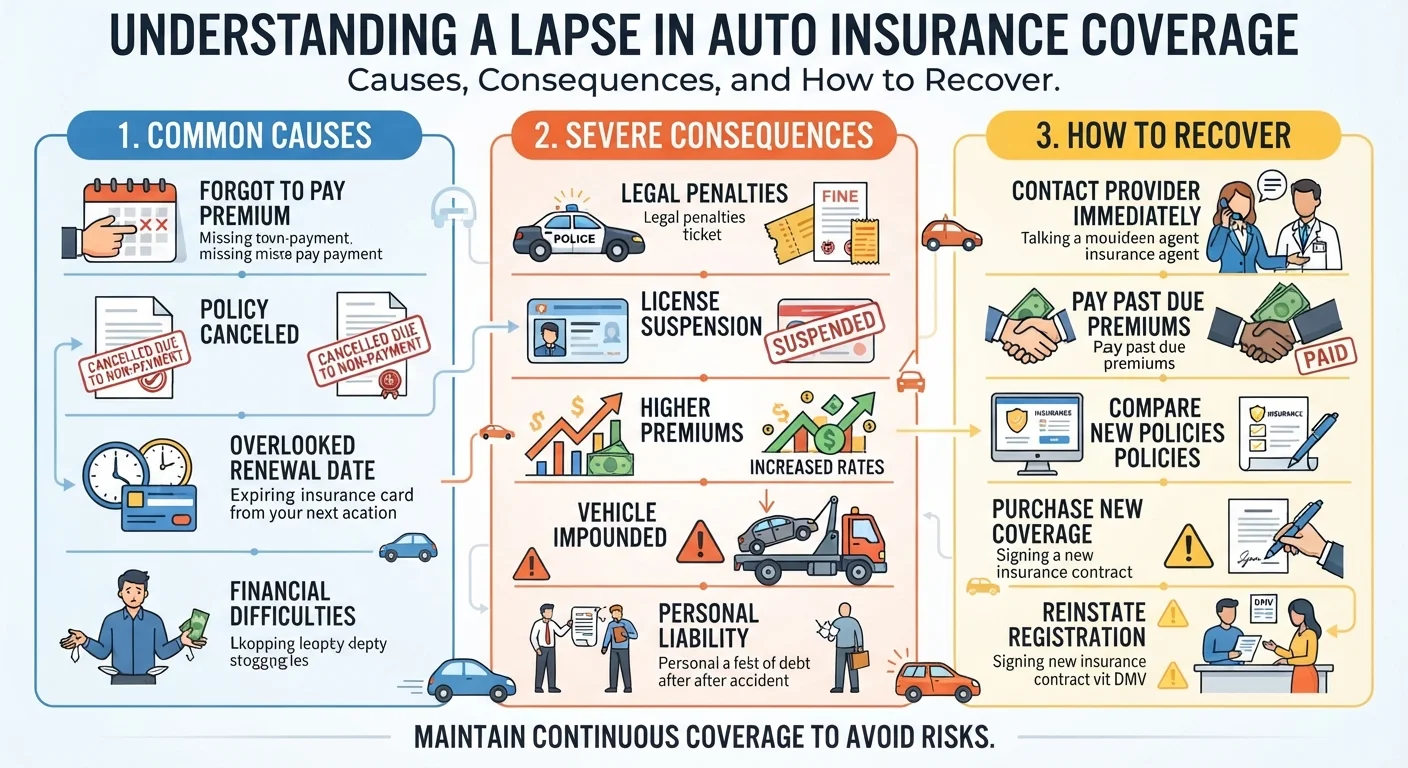
Photo credit: Savy Bargains
In this article
Even a brief gap in auto insurance coverage can have lasting effects. Understand why lapses happen, what they cost you, and how to move forward.
Key Takeaways
- A coverage lapse occurs any time your auto insurance policy is not active, even briefly.
- Insurers treat a lapse as a risk signal and often charge higher premiums afterward.
- Driving without insurance is illegal in almost every U.S. state and carries serious penalties.
- Some lapses happen for avoidable reasons like missed payments or forgotten renewals.
- Rebuilding a clean insurance history takes time, but consistent coverage lowers your risk tier.
What a coverage lapse actually means
A lapse in auto insurance coverage is any period when your vehicle is registered and in use but not covered by an active policy. That gap can last a single day or stretch for months. The length matters, but even a brief interruption can create problems with your state's motor vehicle authority and with future insurers.
Lapses fall into two broad categories. A hard lapse happens when your policy is cancelled or expires and you drive without coverage. A soft lapse can happen when a payment is late but the insurer has not yet cancelled the policy; many insurers build in a grace period, though the terms vary widely by provider and state. You cannot assume a grace period applies without checking your policy documents.
See our guide to common auto insurance misconceptions for other ways gaps can form without drivers realizing it.
Common reasons lapses happen
Most lapses are not deliberate. The causes tend to be practical and preventable.
- A missed or failed payment, often because a card on file expired or a bank account changed.
- A policy that renewed at a higher premium and the driver did not notice or could not afford it.
- A gap between selling one vehicle and buying another, where the driver assumes the old policy carries over.
- Moving to a new state and not realizing the current policy needs to be updated or replaced.
- A lender-required policy lapsing on a financed vehicle, which can trigger force-placed insurance at much higher cost. Gap insurance and financed vehicles is a related issue worth understanding if you carry a loan.
What a lapse can cost you
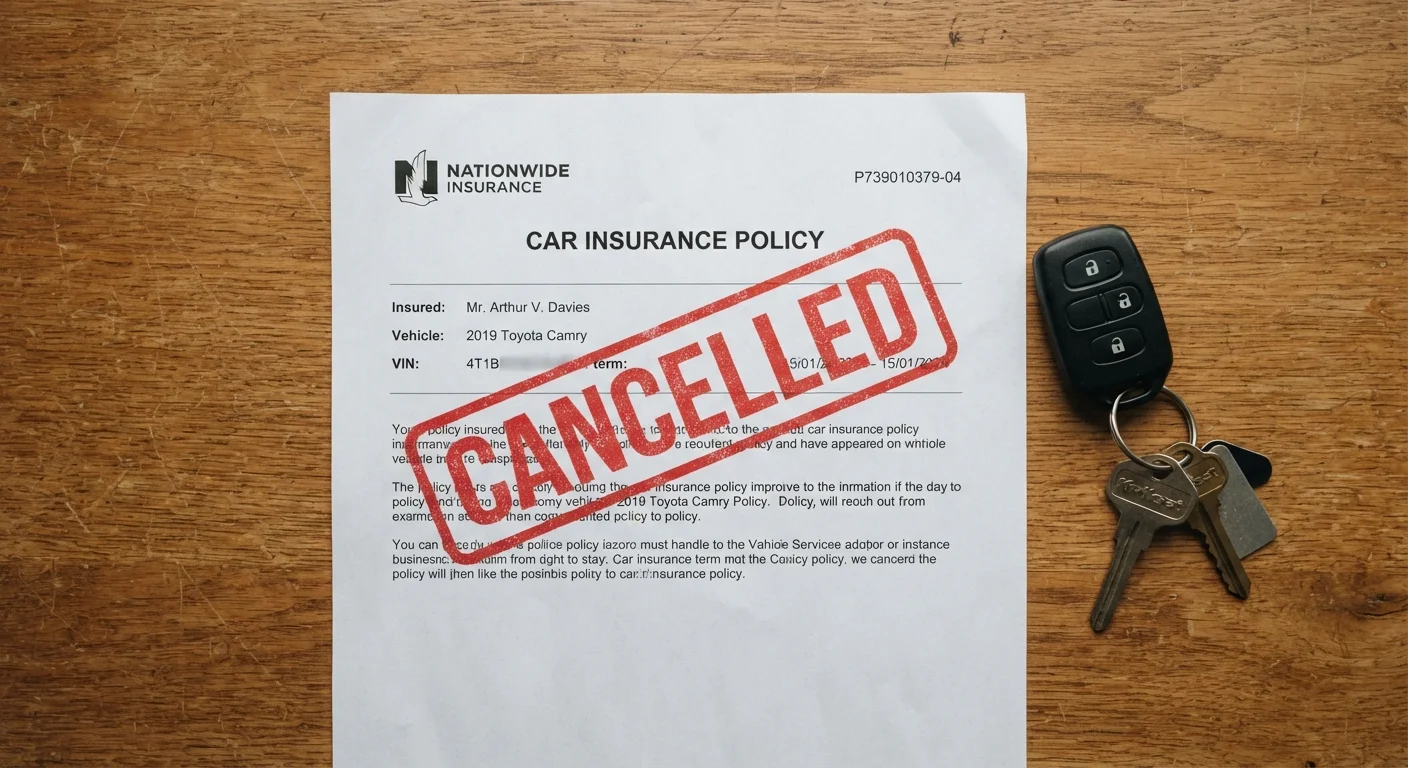
The financial and legal consequences of a lapse are real and can last well beyond the gap itself.
~13%
Estimated share of U.S. drivers uninsured
According to the Insurance Research Council's most recent study on uninsured motorists, roughly 1 in 8 drivers on U.S. roads carries no insurance.
49 of 50
States requiring minimum liability coverage
New Hampshire is the one exception, though it still holds uninsured drivers financially responsible for damages. All other states mandate active liability coverage.
Higher premiums: Insurers use a lapse as a rating factor. A driver who let coverage lapse is placed in a higher-risk category, which typically means a higher base premium at the next policy. The increase can persist for several years depending on the insurer and the length of the gap.
Legal penalties: Nearly every state requires minimum liability coverage. Driving uninsured can result in fines, license suspension, vehicle impoundment, and, in some states, a requirement to file an SR-22 form (a certificate of financial responsibility) before reinstatement. An SR-22 itself adds cost and stays on your record.
Out-of-pocket liability: If an accident occurs during a lapse, you are personally responsible for damages and medical costs, which can be substantial. Coverage gaps that leave drivers financially exposed covers related scenarios where standard policies may not protect you.
Best practices for avoiding and recovering from a lapse
Set up automatic payments and confirm the payment method is current before each renewal.
Most lapses trace back to a missed payment. Automatic payments remove the manual step, but only work if the account or card details are accurate. Checking payment info before renewal catches problems before they trigger a cancellation.
Read every renewal notice your insurer sends, including the premium amount.
Renewal notices contain the new premium, coverage terms, and payment due date. Ignoring them means you may not notice a rate increase you cannot absorb or a change in coverage that leaves a gap.
Keep coverage active during any period between vehicles, even if the car is parked.
A gap in your insurance history is visible to future insurers regardless of whether you were driving. Maintaining a non-owner policy or extending your current policy preserves your continuous coverage record.
If a lapse has already occurred, get coverage reinstated before driving again.
Driving on a lapsed policy is illegal in most states and adds legal penalties on top of the insurance consequences. Reinstating or purchasing a new policy first removes the legal exposure before you put the car on the road.
After a lapse, maintain continuous coverage for at least 12 months to begin rebuilding your history.
Insurers look at how long you have held continuous coverage when setting your rate. A clean 12-month stretch after a lapse begins to offset the gap in your record, and rates often improve at the next renewal.
This article is for general informational purposes only and is not personalized insurance or legal advice. Coverage terms, grace periods, state laws, and insurer policies vary. Read your actual policy documents and consult a licensed insurance agent for guidance specific to your situation.

Author
Auto Editorial Team
Auto Editorial Team is the collective byline for our editorial team and contributor network. Articles published under this byline or an editorial pen name are researched, written, and reviewed according to our editorial standards for clarity, consistency, and independence before publication.
View all articles →