
Gap Insurance and Why Financed Vehicles Are a Special Case
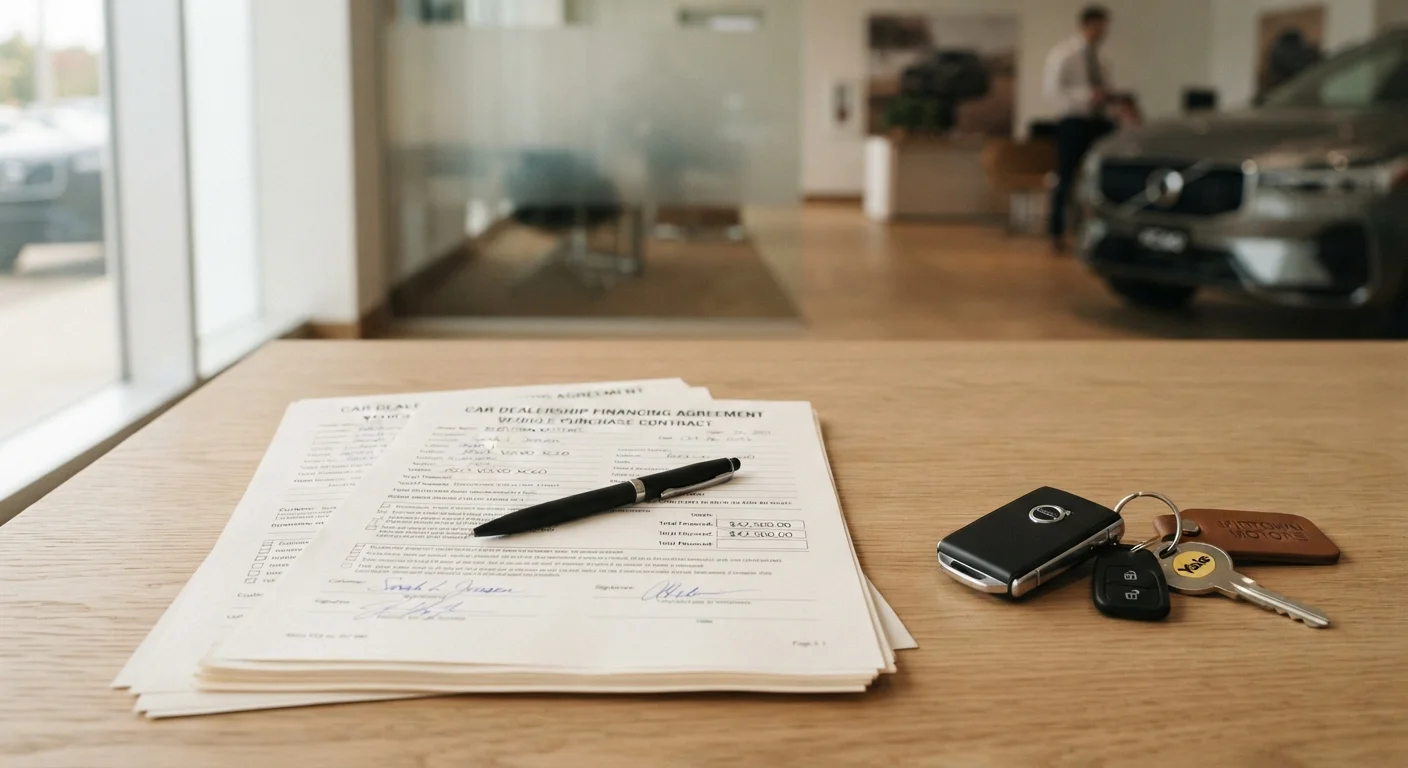
Photo credit: Savy Bargains
In this article
If you owe more on your car than it's worth, gap insurance can matter a lot. Here's how it works and when it applies.
Key Takeaways
- A car can lose significant value within the first year of ownership, sometimes faster than a loan balance drops.
- Standard collision or comprehensive coverage pays market value, not what you owe your lender.
- Gap insurance covers the difference if your car is totaled and you owe more than it is worth.
- Gap coverage is most relevant for drivers who financed with a small down payment or have a long loan term.
- Gap insurance is not required by law, but some lenders may require it as a loan condition.
- Coverage terms and costs vary by provider, so reading the actual policy document matters.
Why financed vehicles face a different kind of risk
When you pay cash for a car, a total loss is painful but financially clean. Your insurer pays you the vehicle's current market value and the transaction is done. Financing changes that math entirely.
A financed car involves two separate numbers: what the vehicle is worth and what you owe the lender. Those two figures move in opposite directions. The car loses value from the moment you drive it off the lot, while your loan balance drops slowly, especially in the early months when most of your payment covers interest rather than principal.
The result is a stretch of time, often the first two to three years of a loan, when the loan balance is higher than the car's market value. That stretch is where the financial risk lives. If your vehicle is totaled during this period, standard collision or comprehensive coverage pays market value only. Your lender still wants the full loan balance. The shortfall is yours to cover out of pocket unless you have gap insurance.
Common auto insurance misconceptions include the belief that "full coverage" means you are protected against every financial outcome. It does not. Even a robust collision and comprehensive policy does not protect you from the gap between loan balance and market value.
How depreciation creates the gap
New vehicles depreciate quickly. A car can lose a meaningful portion of its value in the first year, and that drop is steepest in the earliest months of ownership. Used vehicles depreciate more gradually, but the gap problem still appears when the loan terms stretch out or the down payment was small.
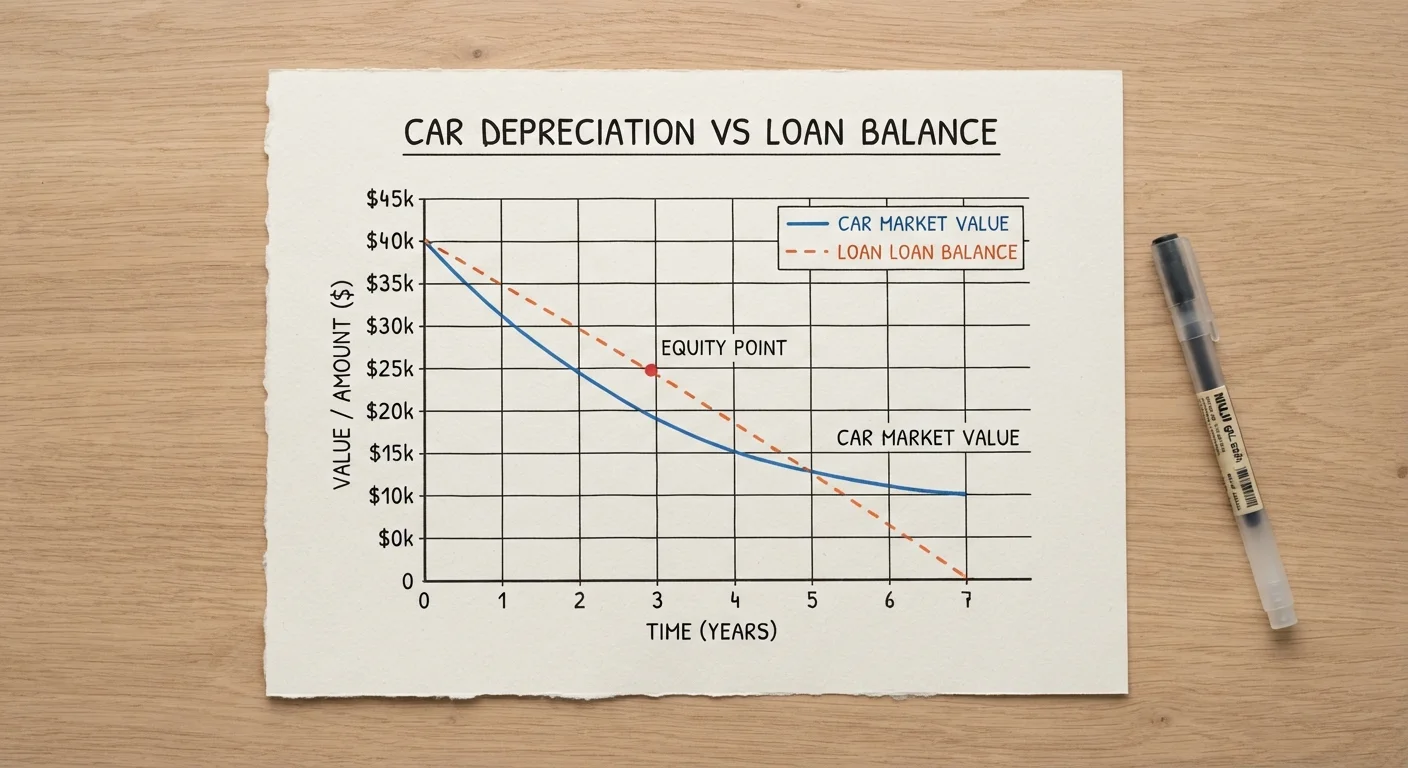
The size of any gap depends on several factors: the vehicle type, loan term length, down payment amount, interest rate, and whether the dealer rolled fees or add-ons into the loan. A buyer who puts 20 percent down on a three-year loan may never be significantly upsipb-down. A buyer who puts nothing down on a six-year loan on a vehicle with fast depreciation can be several thousand dollars underwater for years.
~20%
Typical new car value drop in year one
Industry estimates from vehicle valuation sources suggest new cars lose roughly 15-20% of their value in the first year of ownership.
~70%
New car buyers who finance their purchase
Federal Reserve and Experian auto finance data consistently show that a large majority of new vehicle purchases in the U.S. involve some form of financing.
69 months
Average new car loan term (U.S.)
Experian's State of the Automotive Finance Market reports have tracked average new vehicle loan terms extending past 68-69 months in recent years.
Understanding where you fall on that spectrum helps you decide whether gap coverage makes sense for your situation. State minimum vs. full coverage explains what standard policy levels actually include and what they leave exposed, which is useful context before adding any optional coverage.
What gap insurance actually covers
When a covered total loss occurs, the standard claim process plays out first. Your insurer assesses the vehicle's actual cash value (ACV), the current market price of a comparable vehicle, and issues a payment to your lender up to that amount. Gap insurance then pays the remaining loan balance, minus any excluded amounts spelled out in your policy.
What gap coverage typically does not include: overdue loan payments, fees added to the loan after origination, extended warranties bundled into the financing, and usually the collision or comprehensive deductible. The exact exclusions vary by policy, so reading the document before you buy matters.
Gap coverage also applies to leased vehicles. A lease is financially similar to a loan in this context: you are obligated to pay the residual value plus remaining payments, and a total loss can leave you owing money beyond what standard insurance covers.
Drivers who are uncertain whether their current coverage leaves them exposed might find it worth reviewing what happens when coverage lapses as well, since a lapse during a financed period creates compounding risk.
This article is for general informational purposes only and is not personalized insurance, financial, or legal advice. Coverage terms, exclusions, and eligibility vary by provider and state. Read your actual policy documents and consult a licensed insurance agent for guidance specific to your situation.
Frequently Asked Questions

Author
Auto Editorial Team
Auto Editorial Team is the collective byline for our editorial team and contributor network. Articles published under this byline or an editorial pen name are researched, written, and reviewed according to our editorial standards for clarity, consistency, and independence before publication.
View all articles →