
How Utility Billing Works: A Plain-Language Guide for Homeowners and Renters
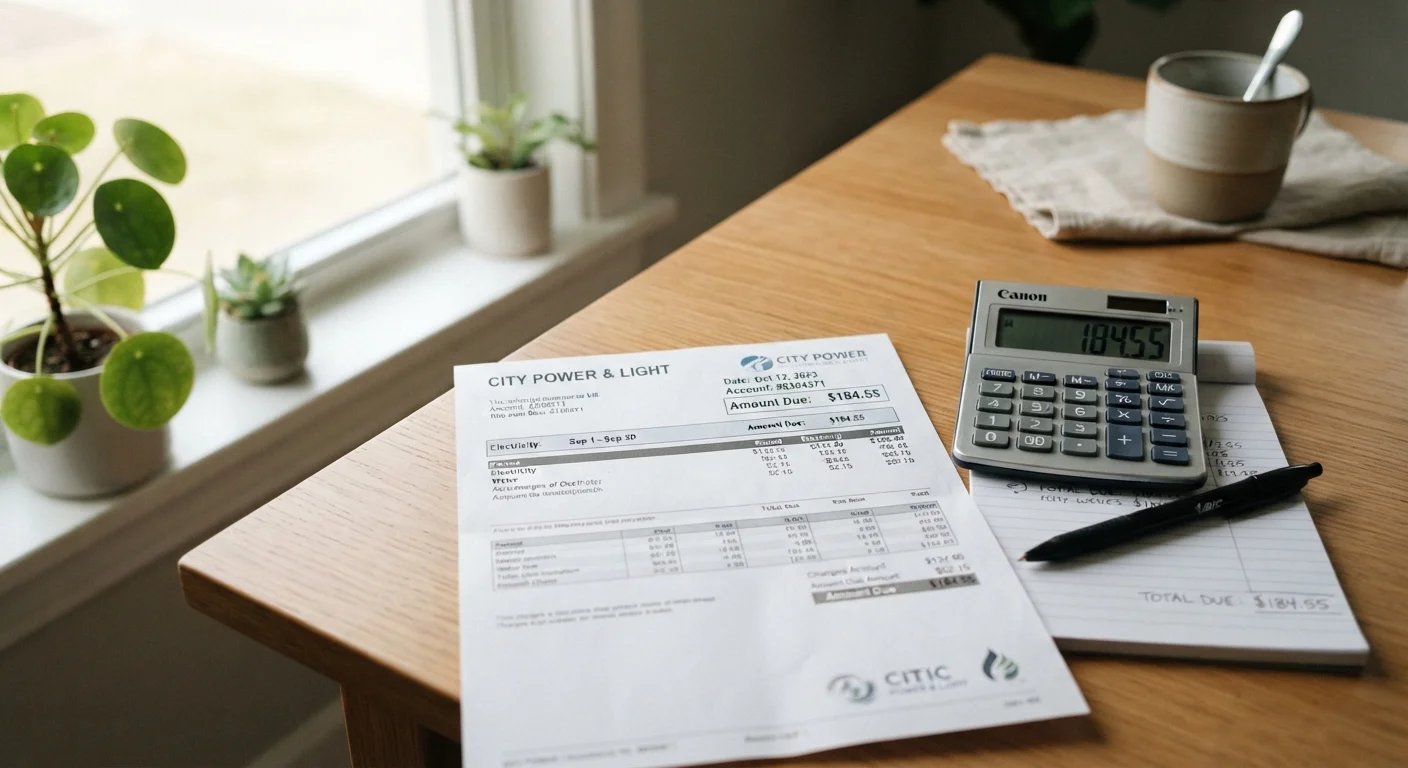
Photo credit: Savy Bargains
In this article
Confused by your electricity or gas bill? This guide breaks down how utility charges are calculated, what each line item means, and how to spot errors.
Key Takeaways
- Most utility bills have two cost layers: a fixed service charge and a variable usage charge.
- Meters measure consumption in specific units; knowing what your meter tracks helps you verify charges.
- Estimated bills are common and can cause overcharges that carry forward for months if unchecked.
- Renters should clarify in writing which utilities are included in rent and who the account holder is before signing a lease.
How utility billing is structured
Every utility bill, whether for electricity, natural gas, or water, has two cost layers. The first is a fixed charge, sometimes called a service charge or customer charge, that the utility applies each billing cycle no matter how little or how much you use. The second is a variable usage charge calculated from what your meter recorded during that period.
This two-part structure means that even a household that cuts consumption significantly will still see a baseline charge on every bill. Understanding how fixed and variable costs behave differently can help you set realistic expectations when budgeting for utilities month to month.
Billing periods are typically 28 to 32 days. Some utilities bill on a calendar month; others use a cycle tied to when your meter was last read. The period covered should appear clearly near the top of your bill.
Service charge
A fixed monthly fee a utility company charges just to maintain your connection, regardless of how much you use.
Usage charge
The portion of your bill that changes based on how much electricity, gas, or water you actually consumed in the billing period.
Tiered rate
A pricing structure where the cost per unit of energy increases once your consumption passes a set threshold.
Estimated read
A projected usage figure the utility company uses when it cannot access your meter, based on your past consumption history.
Sub-metering
A setup where a landlord measures each unit's utility use separately and bills tenants individually, rather than including utilities in a flat rent amount.
What each line item means
After the account summary, most bills break down charges in a section often labeled 'current charges' or 'charges this period.' Common items include:
- The base or service charge, a flat fee for the billing period.
- Energy or commodity charges, the cost of the actual electricity, gas, or water you used.
- Delivery or distribution charges, fees for moving the resource through pipes or wires to your home.
- Taxes and regulatory fees, which are usually set by state or local government and passed through directly by the utility.
- Any credits, such as budget billing adjustments or assistance program discounts.
Some bills separate the cost of the energy itself from the cost of delivering it. This is common in states where you can choose your energy supplier. If you have switched suppliers, the commodity portion may come from a different company than the delivery portion. The type of energy plan you are on affects which line items appear and how the commodity cost is calculated.
How charges are calculated
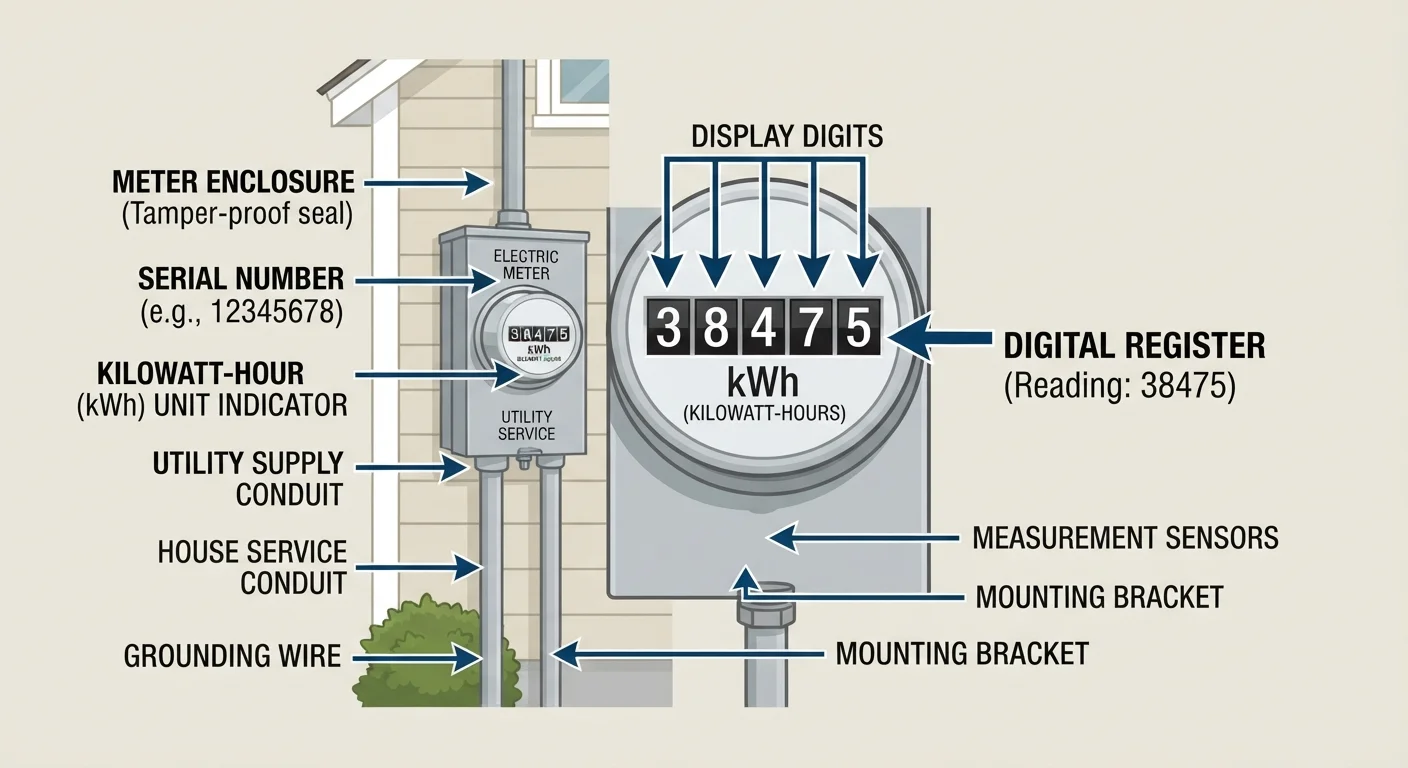
Usage charges start with your meter. Electric meters record consumption in kilowatt-hours (kWh). Gas meters typically record in therms or hundred cubic feet (Ccf), depending on the utility. Water meters record in gallons or hundred cubic feet.
The utility subtracts the previous meter reading from the current one to get usage for the period, then multiplies that figure by the applicable rate. If your utility uses a tiered rate structure, the math is slightly more involved: the first block of usage is charged at one rate, and consumption above the threshold is charged at a higher rate.
Some utilities also use time-of-use pricing, where the rate varies by hour or time of day. Charges are higher during periods of peak demand, typically weekday afternoons, and lower overnight or on weekends. Your bill should specify which rate structure applies to your account.
Common billing errors and how to spot them
Estimated reads are the most frequent source of billing discrepancies. When a meter reader cannot access your meter, the utility estimates your usage. If the estimate is too high, you are overcharged; if too low, you will owe the difference on a future bill. Look for the words 'estimated' or 'E' next to the meter read on your bill.
You can verify any bill by reading your own meter and comparing the figure to what the bill shows. The process for reading a meter varies by meter type, but the display or dial sequence always represents total cumulative usage. Subtract the prior read from the current read to get the period total, then check it against the bill.
Other errors to watch for include duplicate charges for the same period, fees that do not match the rate schedule the utility publishes on its website, and credits that were promised but did not appear. If something looks wrong, call the utility's customer service line and ask for an itemized explanation. Most state public utility commissions also accept formal complaints if a dispute cannot be resolved directly.
Take a meter photo each billing cycle
Photographing your meter on the same day each month takes about ten seconds and gives you a personal record of actual consumption. If an estimated bill arrives that seems too high, you have documentation to support a correction request without waiting for the utility's next scheduled read.
What renters should know specifically
Renters face an additional layer of complexity because utility arrangements vary by lease. In some rentals, all utilities are included in rent. In others, the tenant sets up accounts directly with the utility company. In a third arrangement, the landlord uses sub-metering or ratio utility billing (RUBS) to allocate costs across units and bill tenants separately.
Before signing a lease, ask which utilities are included, which the tenant is responsible for, and whether the landlord sub-meters or estimates usage. Get the answers in writing. Reviewing your lease carefully for utility clauses can prevent disputes later. If you are setting up utilities in a new home, the process involves more steps than most people expect, including deposit requirements and transfer timelines.
In most states, landlords who bill tenants for utilities through sub-metering cannot charge more than the utility company's own rate. If your landlord's utility charges seem higher than the published rate, your state's landlord-tenant statute or housing authority is the right place to start for guidance on what is permitted in your area.
This article is for general informational purposes only and does not constitute financial, legal, or professional advice. Utility billing rules and regulations vary by state and provider. Consult the relevant utility company, a licensed professional, or your state's public utility commission for guidance specific to your situation.
Frequently Asked Questions

Author
Home & Lifestyle Editorial Team
Home & Lifestyle Editorial Team is the collective byline for our editorial team and contributor network. Articles published under this byline or an editorial pen name are researched, written, and reviewed according to our editorial standards for clarity, consistency, and independence before publication.
View all articles →