
Senior Benefits Checklist: Programs and Assistance Worth Looking Into

Photo credit: Savy Bargains
In this article
A practical checklist of federal, state, and nonprofit programs that many older Americans qualify for but never apply to, covering health, housing, and utilities.
Key Takeaways
- Millions of eligible seniors do not claim federal and state benefits they qualify for each year.
- Programs cover health coverage gaps, prescription costs, housing, utilities, food, and legal aid.
- Eligibility rules vary by state and household income, so checking each program directly is necessary.
- Nonprofit and community organizations often provide free help navigating applications.
- Medicare supplemental coverage options are worth reviewing annually alongside other benefits.
Why so many benefits go unclaimed
Federal agencies and state governments fund dozens of programs specifically for older Americans, yet participation rates in many of them remain low. The reasons vary: complicated applications, limited awareness, language barriers, or a belief that the programs are only for people in severe financial hardship. In practice, income thresholds are often broader than people assume, and some programs have no income limit at all.
This checklist is designed to help seniors and their families do a methodical review rather than rely on word of mouth. Work through each group at your own pace. For programs with state-specific rules, the benefits portal Benefits.gov and your local Area Agency on Aging (AAA) are reliable starting points for current eligibility details. To find your AAA, call the Eldercare Locator at 1-800-677-1116, a free federally funded service.
If you are also approaching Medicare enrollment or reviewing supplemental coverage, see coverage options beyond basic Medicare for a parallel review of what original Medicare does and does not cover.
Tools and resources you will need
Before working through the checklist items below, gather the materials that most programs will ask for. Having them ready shortens the application process considerably.
Recent tax returns (1 to 2 years)
Most income-based programs use adjusted gross income from tax filings to verify eligibility.
Social Security award letter
Documents your current monthly benefit amount, which many programs require as proof of income.
Medicare card
Confirms your enrollment in Parts A and B, required for health-related benefit applications.
Proof of residence
A utility bill or lease agreement is typically required to confirm your address for state programs.
Bank or asset statements
Programs with resource limits require documentation of checking, savings, and investment accounts.
Benefits.gov account
The federal portal lets you screen for dozens of programs at once using a single questionnaire.
Eldercare Locator contact (1-800-677-1116)
Connects you to your local Area Agency on Aging for in-person navigation support.
The full benefits checklist
The items below are organized by category. Mark each one as reviewed, eligible, applied, or not applicable for your situation. Programs marked must are non-negotiable starting points given how many people qualify unknowingly.
Health coverage and prescription costs
Food and nutrition
Utilities and energy assistance
Housing and property costs
Legal and financial protections
Transportation and mobility
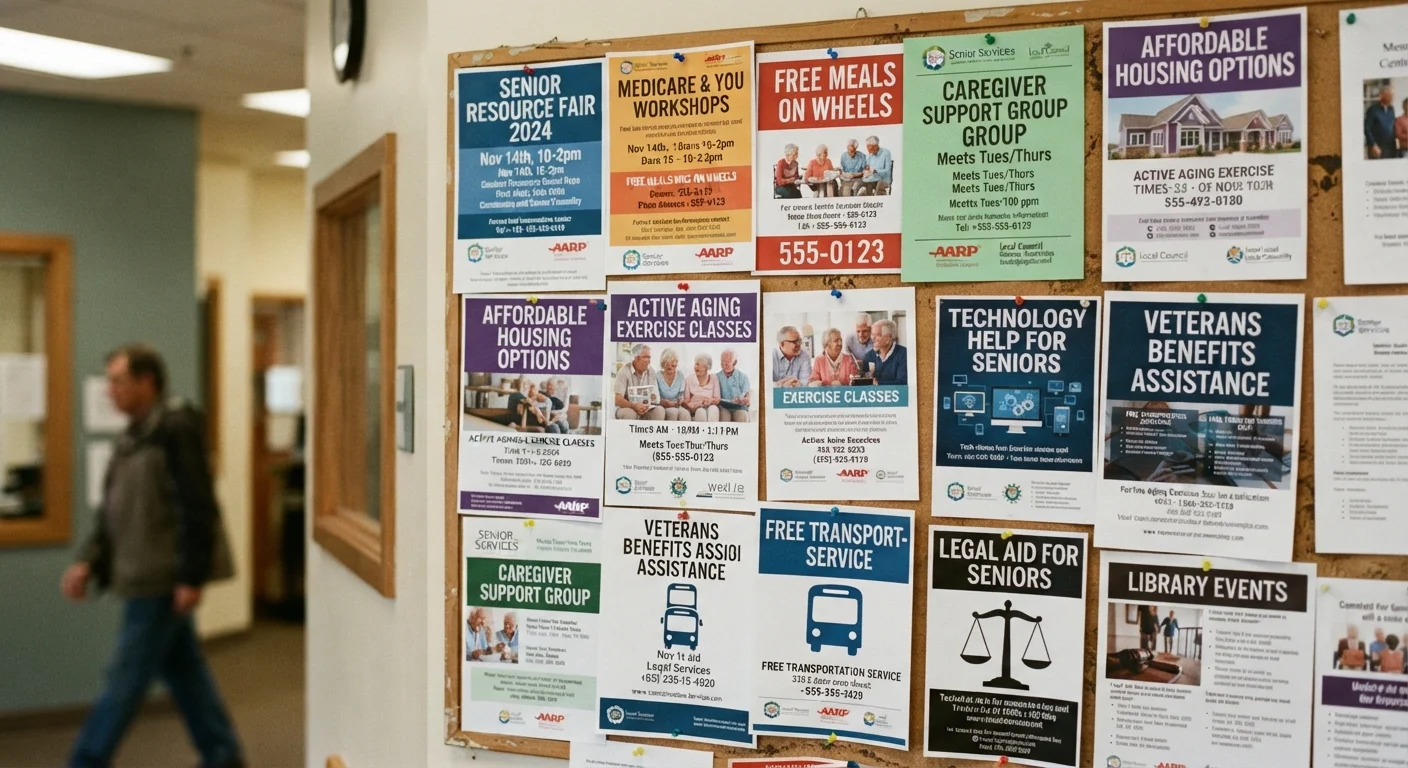
Local nonprofit legal aid organizations can also assist with denied claims or complex applications. Many offer free consultations for adults over 60 regardless of income level.
Next steps after the checklist
Once you have identified programs worth applying to, prioritize those with enrollment windows or waitlists. Some housing and utility programs operate on a first-come, first-served basis and run out of funds before the program year ends.
If Social Security income is part of your financial picture, this beginner's guide to Social Security benefits covers how benefit amounts are calculated and what decisions to think through before you claim. For annual health coverage decisions, the open enrollment preparation checklist can help you review your current plan and gather documents before enrollment opens.
General financial planning considerations, including how benefits interact with retirement income, are covered in the Finance hub. Families managing home-based care alongside benefits questions may also find useful context in the Home and Lifestyle hub.
This article is for general informational purposes only and does not constitute legal, financial, or medical advice. Eligibility rules, program availability, and funding levels change. Consult a qualified benefits counselor, licensed financial adviser, or legal professional for guidance specific to your situation.

Author
Senior Editorial Team
Senior Editorial Team is the collective byline for our editorial team and contributor network. Articles published under this byline or an editorial pen name are researched, written, and reviewed according to our editorial standards for clarity, consistency, and independence before publication.
View all articles →