
How Driving Record Events Affect Your Insurance Premium Over Time
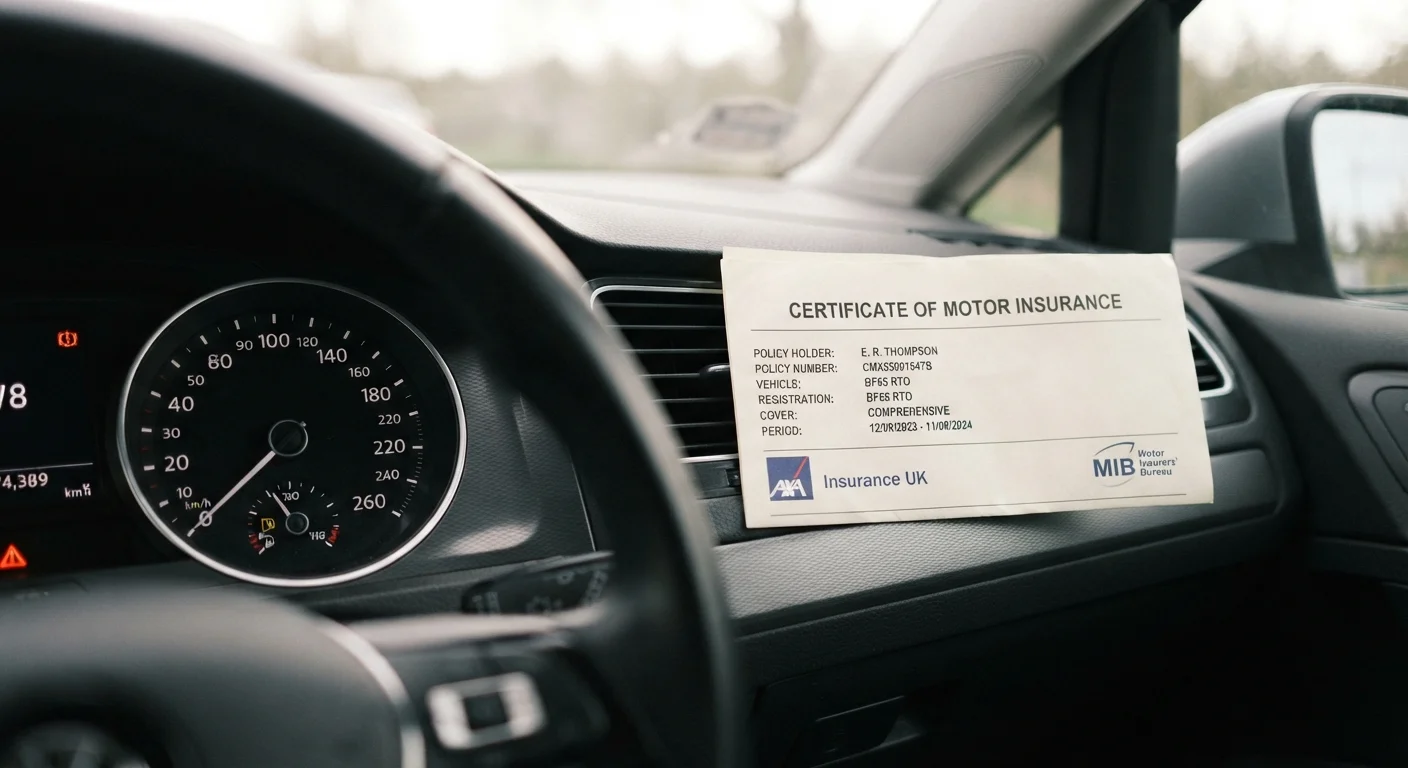
Photo credit: Savy Bargains
In this article
Tickets, accidents, and DUIs can raise your rates for years. Understand how long these events typically stay on your record and what that means.
Key Takeaways
- Minor violations like speeding tickets generally affect premiums for three to five years.
- At-fault accidents typically raise rates for three to five years, sometimes longer with serious injuries.
- A DUI or DWI conviction can affect your premium for five to ten years, depending on the state.
- Insurers use their own lookback windows, which may not match your state DMV's retention period.
- Multiple events within a short window compound the rate increase more than any single event alone.
- Rates generally return to pre-event levels after the lookback period passes, assuming no new violations.
Why your driving record changes what you pay
Auto insurers price policies based on risk. Your driving record is one of the most direct signals they have. A clean record suggests a lower likelihood of future claims; a record with violations or accidents suggests a higher one. When an event appears on your motor vehicle record (MVR), most insurers apply a surcharge at your next renewal, and that surcharge stays in place until the event ages out of their lookback window.
The lookback window is the number of years back an insurer reviews your MVR when calculating your rate. It is not the same as how long your state's DMV keeps the event on file. An insurer might use a three-year window while your state retains the record for seven years. Understanding both numbers matters when you are trying to gauge how long an event will affect what you pay. For a broader view of how rating works, see factors that shape auto insurance premiums beyond your driving record.
How different events are treated
Not all driving record events carry equal weight. Insurers typically sort them by severity.
Minor moving violations
A single speeding ticket, a rolling stop, or a failure-to-signal citation falls into this category. Most insurers surcharge these events for three to five years. One minor ticket on an otherwise clean record often produces a modest rate increase. A second or third violation within the lookback period compounds the effect significantly.
At-fault accidents
When your insurer pays a claim because you caused an accident, that event goes on your record as an at-fault loss. Because an actual claim payment is involved, the surcharge is usually larger than for a citation alone. The lookback period is typically three to five years, though accidents involving injuries or large payouts may carry more weight throughout that window. Some insurers offer accident forgiveness provisions for first-time events; read your policy terms carefully to understand what applies to you.
Serious offenses: DUI and reckless driving
A DUI, DWI, or reckless driving conviction is treated as a high-severity event. Insurers commonly look back five to ten years for these, and some may decline to renew a policy altogether. Many states require drivers convicted of these offenses to file an SR-22 form, a certificate your insurer files with the state confirming you carry the minimum required coverage. The SR-22 requirement typically lasts three years, but the rate impact from the underlying conviction can persist well beyond that.
3-5 years
Typical insurer lookback for minor violations
Most U.S. auto insurers review the past three to five years of your driving record when calculating your premium at renewal.
5-10 years
Common lookback period for DUI convictions
A DUI or DWI conviction is a major rating factor. Insurers in many states use a five- to ten-year lookback window for these offenses.
Up to 40%+
Potential premium increase after an at-fault accident
Rate increases after an at-fault accident vary widely by insurer and state, but increases of 40 percent or more are reported in industry analyses.
When multiple events stack up
A single isolated event is manageable for most drivers. The rate impact becomes more severe when two or more events appear within the same lookback window. Insurers view a pattern of violations differently than a one-time occurrence. Some companies place drivers with multiple recent events in a higher-risk tier, which can mean a substantially larger premium increase than any single event would produce on its own.
This is also why a coverage lapse can make a bad situation worse. If violations pushed your premium up and you let your policy lapse rather than pay the higher rate, you may face additional surcharges when you reapply. See how a lapse in auto insurance coverage affects your options for more on that cycle.
What happens after the lookback period ends
Once an event ages past your insurer's lookback window, it generally no longer factors into your rate calculation. This does not happen automatically mid-term. The re-rating typically occurs at renewal, when the insurer pulls a fresh MVR. If the event has aged off by that point, your rate should reflect a cleaner record.
There is no guarantee that your premium will return to exactly what it was before the event. Other rating factors, including your location, vehicle, and credit-based insurance score where allowed by state law, also affect the final number. For a full picture of what else influences your rate, read about the other factors insurers commonly use.
Some drivers also hold misconceptions about how this process works. For example, many assume that removing a violation from a DMV record automatically lowers their insurance rate, which is not always the case. The common auto insurance misconceptions article covers several of these misunderstandings in detail.
This article is for general informational purposes only and is not personalized insurance or legal advice. Coverage terms, surcharge amounts, and lookback periods vary by insurer and by state. Read your actual policy documents and consult a licensed insurance agent for guidance specific to your situation.
Frequently Asked Questions

Author
Auto Editorial Team
Auto Editorial Team is the collective byline for our editorial team and contributor network. Articles published under this byline or an editorial pen name are researched, written, and reviewed according to our editorial standards for clarity, consistency, and independence before publication.
View all articles →