
Seasonal Home Maintenance Tasks That Prevent Costly Repairs
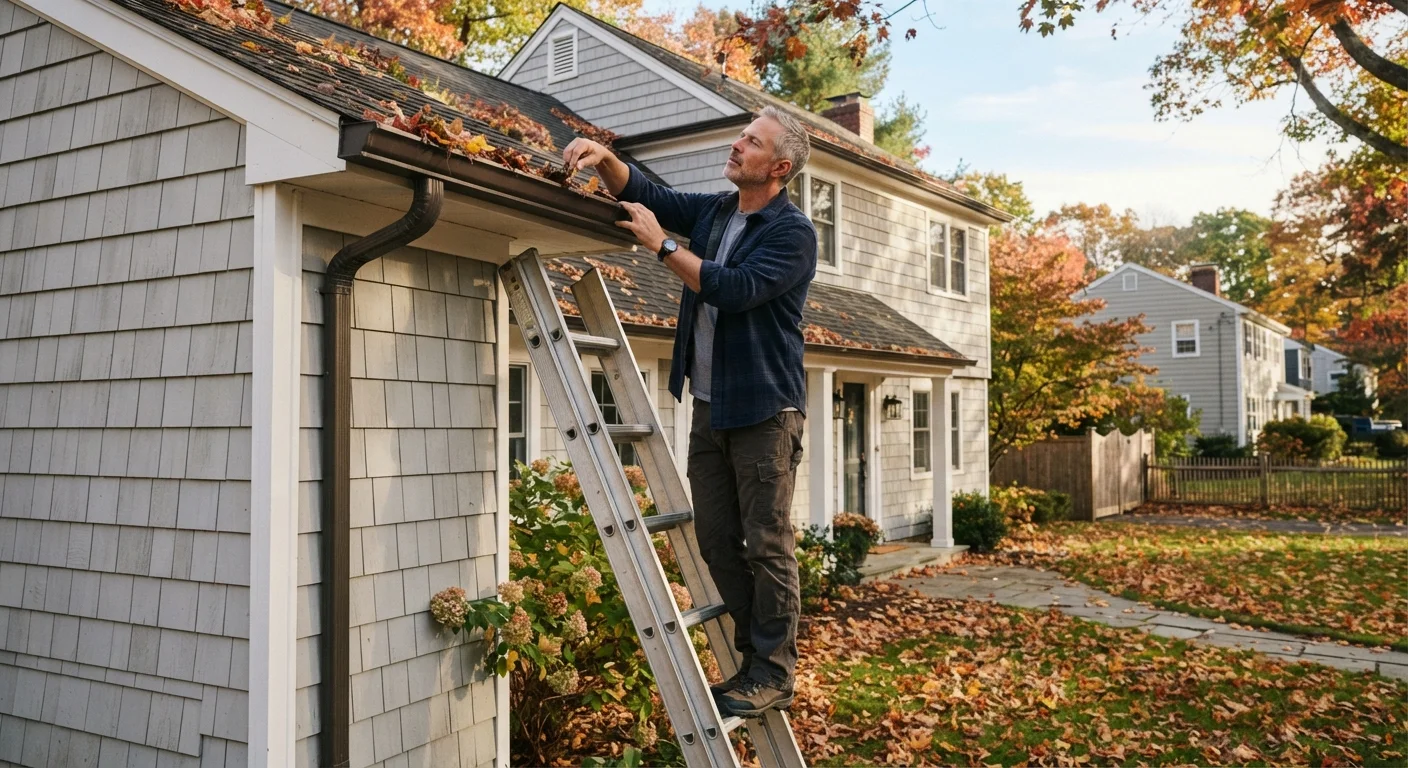
Photo credit: Savy Bargains
In this article
A year-round look at the routine upkeep that keeps a house in good condition and helps catch small problems before they become expensive ones.
Key Takeaways
- Seasonal maintenance catches small defects early, when repairs are cheaper and less disruptive.
- A few hours of upkeep per season can prevent water damage, HVAC failure, and pest entry.
- Renters should confirm with their landlord which tasks are their responsibility before starting.
- Some maintenance tasks require licensed professionals; DIY attempts on those can void warranties or create safety hazards.
- Keeping a written maintenance log helps homeowners track what was done and plan what is coming.
Why seasonal upkeep matters
A house is a collection of systems, and most of those systems degrade gradually. The problem is that gradual degradation is easy to ignore until something fails. A small roof leak becomes a rotted rafter. A clogged dryer vent becomes a fire hazard. A cracked caulk line around a window lets in moisture that damages insulation and drywall over months.
Breaking maintenance into seasonal chunks makes the work manageable. Each season presents specific stress on different parts of a home, so the timing of checks is not arbitrary. Addressing problems in the right season also tends to mean lower contractor costs, since emergency calls in the middle of winter or a summer heat wave cost more than scheduled visits.
For renters, review your lease before taking on any task. Many exterior and mechanical maintenance responsibilities belong to the landlord. When in doubt, submit a written request and document the response. For homeowners, building these habits into a routine is one of the more reliable ways to protect a property's long-term condition. The financial habits that prevent budget surprises apply to home costs as directly as to any other expense category.
Spring and summer tasks
Spring is the right time to assess what winter left behind. Walk the exterior perimeter and look at the roof, siding, and foundation for cracks, missing shingles, or gaps where caulk has pulled away. Water that enters through a small foundation crack during spring rains can cause significant damage before summer ends.
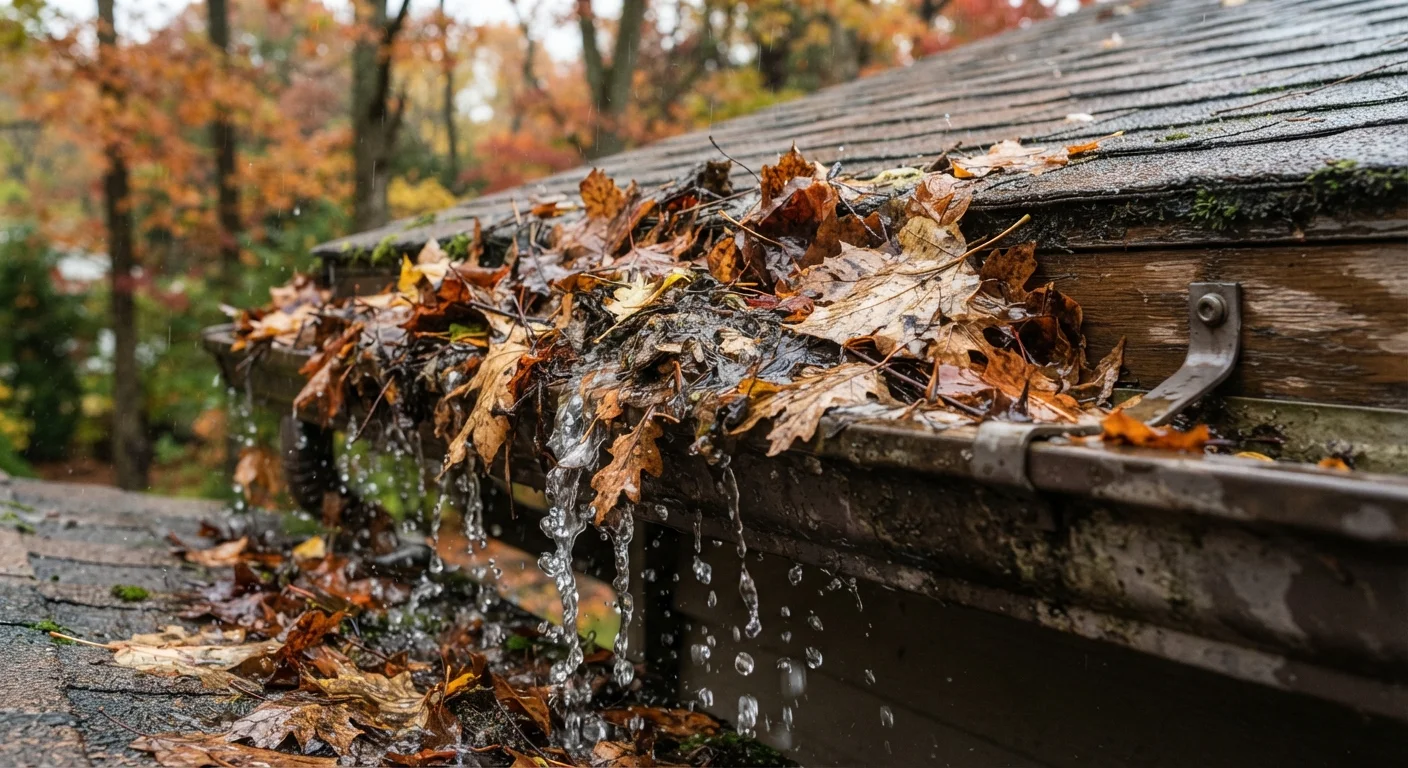
Clear gutters and downspouts of debris so water moves away from the foundation. Downspout extensions should direct water at least four to six feet from the house. Check window and door screens and replace damaged ones before insects become active.
In summer, HVAC performance matters most. Replace or clean the air filter on your central air system, typically every one to three months depending on the filter type and household conditions. A dirty filter makes the system work harder and raises energy costs. Schedule a professional tune-up for the air conditioning unit every one to two years; a technician can catch refrigerant issues or failing components before they cause a full breakdown.
Test smoke detectors and carbon monoxide detectors. Replace batteries even if they still work, or switch to ten-year sealed-battery units if yours are older models. Check that outdoor faucets and hose bibs are fully functional before irrigation season.
Fall and winter tasks
Fall maintenance is largely about preparing the house for cold weather. Clean gutters again after leaves have fallen, not before. A gutter full of wet leaves in November can pull away from the fascia board under its own weight and create an entry point for water and pests.
Clean gutters and downspouts at least twice a year, in spring and after fall leaf drop.
Clogged gutters overflow and direct water against the foundation and siding. Over time, that moisture intrusion causes rot, mold, and foundation settling.
Replace HVAC filters on a consistent schedule, every one to three months for most households.
A clogged filter reduces airflow, makes the system work harder, and can cause the heat exchanger or compressor to overheat and fail prematurely.
Have gas heating equipment inspected by a licensed technician each fall before it is needed.
Gas furnaces and boilers can develop cracks or combustion issues that are not visible without proper tools. Carbon monoxide leaks from faulty equipment are a serious health risk.
Drain and disconnect outdoor hoses and shut off exterior water supply lines before the first freeze.
Water left in outdoor lines expands when it freezes and can split pipes, fittings, and hose bibs. Repairs often require a plumber and can be costly depending on where the break occurs.
Inspect and reseal caulk around windows, doors, and exterior penetrations every two to three years.
Caulk shrinks and cracks over time, creating gaps where water and air move in. Water intrusion behind siding or around window frames can cause mold and wood rot that is expensive to remediate.
Have the furnace or heating system inspected by a licensed HVAC technician before the first cold snap. Gas furnaces in particular should be checked for heat exchanger cracks, which can allow carbon monoxide to enter living areas. This is not a DIY inspection. Drain and shut off outdoor water lines to prevent frozen pipes. Even in mild climates, a single hard freeze is enough to split a hose bib or an exposed supply line.
Check weatherstripping on exterior doors and windows. A visible gap around a door lets in cold air and drives up heating costs. Weatherstripping is inexpensive and replacing it is a manageable task for most homeowners. If you have a fireplace, have the chimney inspected and swept by a certified chimney sweep before the first use of the season. Creosote buildup is a fire hazard.
In winter, monitor the attic for ice dams if you live in a cold climate. Ice dams form when heat escapes through the roof, melts snow near the peak, and refreezes at the cold eaves. Water backs up under shingles and can damage ceilings and insulation. The underlying cause is usually inadequate attic insulation or ventilation, both of which a contractor can assess.
Keeping a simple log of what you inspect and when makes it easier to spot patterns and budget for larger work ahead of time. If you are preparing for a move, the moving checklist includes home condition steps worth reviewing alongside this maintenance calendar.
Year-round habits that reduce repair costs
Some maintenance is not tied to a season. Check under sinks every few months for slow drips or moisture; small leaks rot cabinet floors and can go unnoticed for a long time. Run water in infrequently used drains to prevent P-traps from drying out and letting sewer gas in. Inspect the water heater annually for corrosion around fittings or sediment buildup, which reduces efficiency and shortens the unit's lifespan.
If your home has a sump pump, test it by pouring water into the pit to confirm it activates. A failed sump pump during a heavy rain event can mean a flooded basement. Test GFCI outlets in bathrooms, kitchens, and garages; press the test button and confirm the outlet loses power, then reset it.
None of this work requires significant expense on its own. The cost of prevention is almost always lower than the cost of repair. Budgeting a modest amount each year for maintenance, typically one to two percent of a home's value is one commonly cited general estimate, though actual costs vary widely by home age, size, and condition, can reduce the likelihood of a major unplanned expense. For a broader look at how to build that kind of financial cushion, see the guide to building breathing room in your finances.

Author
Home & Lifestyle Editorial Team
Home & Lifestyle Editorial Team is the collective byline for our editorial team and contributor network. Articles published under this byline or an editorial pen name are researched, written, and reviewed according to our editorial standards for clarity, consistency, and independence before publication.
View all articles →