
The Real Cost of Traveling Without Insurance: Medical Emergencies Abroad
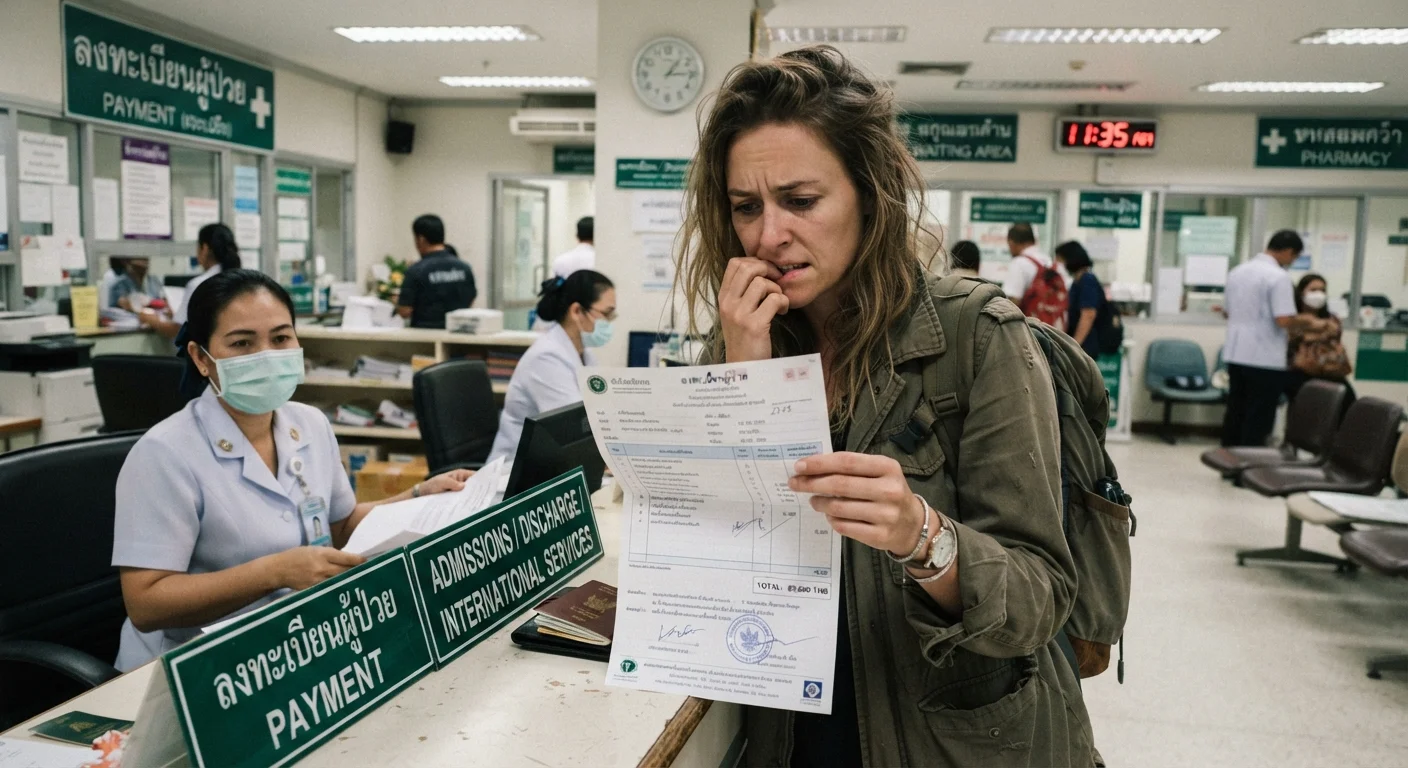
Photo credit: Savy Bargains
In this article
Hospital bills, emergency evacuation, and repatriation can cost tens of thousands abroad. This explainer walks through where expenses come from.
Key Takeaways
- Foreign hospitals commonly charge full, non-negotiated rates and may require payment before discharge.
- Medical evacuation to an appropriate facility or back to the U.S. can cost $50,000 or more on its own.
- Medicare generally does not cover medical care received outside the United States.
- Seniors and travelers with pre-existing conditions face higher financial exposure in a medical emergency abroad.
- Credit card travel benefits vary widely and often exclude major medical costs.
Why foreign medical costs work differently
At home, your health insurer negotiates rates with hospitals and providers. You pay a copay or coinsurance based on a contract that has already discounted the underlying charge. Abroad, that contract does not exist. A foreign hospital bills at its standard rate, which may be a full private rate with no reduction applied.
Beyond the rate structure, many hospitals outside the U.S. require a cash deposit or proof of payment before admitting a non-emergency patient or before authorizing certain procedures. In some countries this applies even to emergency care. The expectation that a hospital must treat first and collect later is not universal.
Payment is often required in local currency, meaning exchange rate fluctuations can increase what you owe between admission and discharge. If your trip ends before the bill is resolved, the hospital may delay releasing you.

The specific costs that catch travelers off guard
A brief hospitalization in a private facility in Western Europe can easily cost several thousand dollars per night. In more remote destinations or countries with limited public health infrastructure, care at a facility equipped to handle serious trauma may require transport to a major city first, adding another layer of expense before treatment even begins.
Medical evacuation is one of the largest single costs an uninsured traveler can face. Moving a patient by air ambulance from a remote island, a mountain region, or a country with limited specialist care to an appropriate hospital can cost anywhere from $50,000 to well over $100,000. Commercial airlines generally cannot accommodate patients requiring a stretcher or continuous medical monitoring, so a dedicated air ambulance is often the only option.
Repatriation, which is returning a patient to the United States for ongoing treatment or, in the worst case, returning remains home, adds further costs. Repatriation of remains alone can cost $10,000 to $20,000 depending on distance and logistics.
$50,000+
Typical minimum air ambulance evacuation cost
The U.S. Department of State notes that air ambulance costs frequently exceed $50,000 and can surpass $200,000 depending on origin and medical complexity.
$0
Medicare coverage for most international care
Original Medicare Parts A and B generally provide no coverage for medical services received outside the United States, per Medicare.gov guidance.
$10,000-$20,000
Estimated repatriation of remains cost
The U.S. Department of State estimates that returning remains to the United States from abroad typically costs between $10,000 and $20,000, depending on distance and logistics.
Travelers with pre-existing conditions face additional exposure. If a condition requires specialist care that is not available locally, evacuation becomes more likely, not optional. See what travelers with pre-existing conditions should plan for before departure.
What your existing coverage likely does not do
Medicare, which covers many American travelers age 65 and older, generally does not pay for care received outside the United States. Some Medicare Advantage plans include limited international emergency benefits, but coverage caps and exclusions vary by plan. Relying on Medicare abroad without verifying your specific plan's international terms is a significant financial risk.
Employer-sponsored health plans vary. Some include limited international emergency coverage; many do not. The key word is limited: a plan might cover emergency stabilization but not the evacuation needed afterward, or it might cover care only up to a domestic in-network rate that bears no relationship to what a foreign hospital charges.
Credit card travel benefits are sometimes misunderstood as equivalent to travel medical insurance. Card-linked benefits often cover trip cancellation or accidental death, not hospitalization or surgery. A benefit guide is worth reading in full rather than assumed to provide comprehensive protection.
For a clear comparison of what travel insurance covers versus what it does not, Travel Insurance 101 walks through the specifics. And if you are uncertain whether a domestic or international policy is the right structure for your trip, how domestic and international travel insurance differ can help clarify the distinction.
How the financial exposure adds up in practice
Consider a traveler who has a cardiac event while visiting a country in Southeast Asia. Initial emergency care, imaging, and a two-night hospital stay might cost $8,000 to $15,000 at a private hospital. If the local facility lacks cardiac surgery capability, an evacuation to a regional hub could add $60,000 or more. A subsequent medically supervised flight home adds further costs. The total easily exceeds $80,000, all payable out of pocket without travel medical coverage.
For travelers on a fixed income, that figure is not just alarming; it can be financially unrecoverable. Practical strategies for traveling on a fixed income address how to plan affordably, and understanding medical cost exposure is a direct part of that planning.
Some travelers believe common myths about existing coverage that turn out to be inaccurate when tested against a real claim. Common myths about travel insurance covers the assumptions most likely to leave travelers underprotected.
This article is for general informational purposes only and does not constitute financial, insurance, or medical advice. Coverage terms vary by policy and provider. Consult a licensed insurance professional and review official policy documents before making any coverage decisions.
Frequently Asked Questions

Author
Travel Editorial Team
Travel Editorial Team is the collective byline for our editorial team and contributor network. Articles published under this byline or an editorial pen name are researched, written, and reviewed according to our editorial standards for clarity, consistency, and independence before publication.
View all articles →