
Senior Travel Planning: Key Considerations Before You Book

Photo credit: Savy Bargains
In this article
From health documentation to accessible accommodations, here's a practical checklist for travelers over 65 planning a trip.
Key Takeaways
- Confirm your health insurance coverage before booking, especially for international travel.
- Accessible accommodations often require advance requests; do not assume they are available on arrival.
- Travel insurance terms vary widely; read policy exclusions before purchasing.
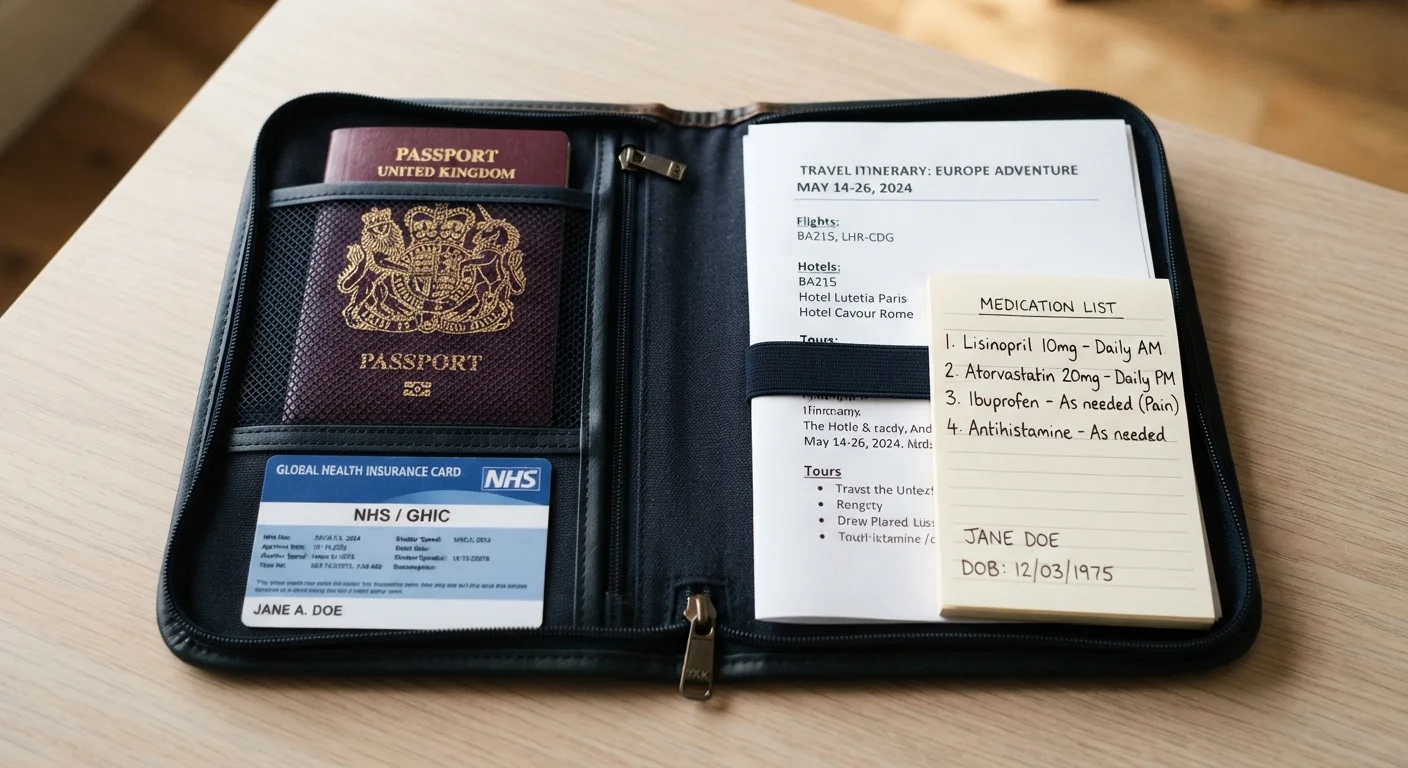
- Carry a written medication list and copies of key documents separately from originals.
- Entry requirements, including visas and vaccinations, can change; verify with official sources close to your departure date.
Why this checklist matters for travelers over 65
Travel after 65 can involve logistics that younger travelers rarely think about: coordinating medications across time zones, confirming that a hotel room actually has grab bars, or understanding whether a health plan pays anything outside the United States. None of these are reasons to stay home. They are reasons to plan ahead.
This checklist covers the areas where a gap in preparation tends to cause real problems. Work through each section before you finalize any booking, and you will have a clearer picture of what is in place and what still needs attention.
If you are traveling with a limited retirement income, practical strategies for stretching a travel budget can complement the steps below.
Health and medical preparation
Medical planning is where senior travel preparation diverges most sharply from general travel advice. The steps below apply whether you are traveling domestically or abroad.
Health and medical
Travel insurance
Accessible accommodations and transport
Documents and entry requirements
Travelers managing ongoing conditions face additional documentation and insurance steps. planning a trip around a pre-existing condition covers those in detail, including how pre-existing condition waivers work in travel insurance policies.
Medicare coverage outside the U.S. is limited
Original Medicare generally does not cover medical care received outside the United States, with narrow exceptions. If you plan to travel internationally, review your supplemental or Medicare Advantage plan's foreign emergency coverage terms before departure. This is general information; consult a licensed insurance agent or Medicare counselor to understand how your specific plan applies to your situation.
Logistics, access, and documentation
Accessible travel requires direct communication with airlines, hotels, and tour operators before you book, not at check-in. Policies on mobility aids, dietary needs, and room configurations vary by property and carrier.
Do not assume accessibility without confirming
Terms like 'accessible room' are not standardized across hotels or countries. A room listed as accessible may not meet your specific needs. Always call the property directly, describe your requirements in detail, and get confirmation in writing before you finalize a booking.
Passport and travel document folder
Stores originals and copies of your passport, insurance cards, itinerary, and medication list in one place.
CDC Travelers' Health website (wwwnc.cdc.gov/travel)
Provides destination-specific vaccination recommendations and health notices from the U.S. Centers for Disease Control and Prevention.
U.S. State Department travel advisories (travel.state.gov)
Lists current entry requirements, visa information, and safety advisories for international destinations.
Medication organizer with time-zone labeling
Helps maintain correct dosing schedules when crossing multiple time zones.
For a broader look at programs and benefits available to older Americans that may apply to your travel planning, see the senior benefits checklist.
This article is for general informational purposes only and does not constitute medical, insurance, financial, or legal advice. Travel requirements, coverage terms, and regulations change; verify all details with official government sources and licensed professionals before you travel.

Author
Travel Editorial Team
Travel Editorial Team is the collective byline for our editorial team and contributor network. Articles published under this byline or an editorial pen name are researched, written, and reviewed according to our editorial standards for clarity, consistency, and independence before publication.
View all articles →